

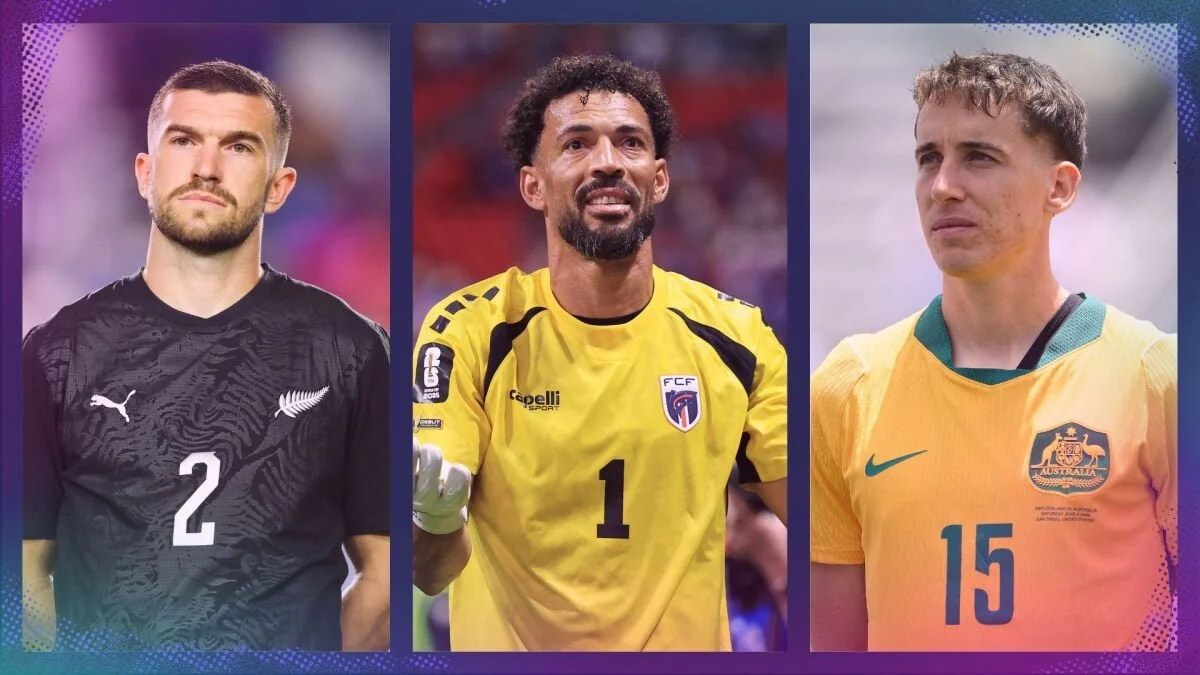
The FIFA World Cup has historically served as the ultimate stage for the “unlikely hero”—that obscure player who rises from the relative shadows of a domestic league to command the attention of a global audience. However, the 2026 edition of the tournament has ushered in a radical paradigm shift. In the era of algorithmic discovery and influencer-led digital broadcasting, the World Cup is no longer just a sporting event; it is a high-velocity engine for instantaneous social media stardom.
The most poignant case study of this phenomenon is Josimar José Évora Dias, universally known as Vozinha. The 40-year-old Cape Verde goalkeeper arrived at the tournament with a 19-year professional career that remained largely invisible to the casual international soccer fan. Before Monday’s clash against Spain, he boasted a modest Instagram following of roughly 50,000. By Tuesday morning, that number had surged to 12 million.
The Anatomy of an Overnight Sensation
Vozinha’s transformation from an unsung veteran to a global digital icon was not accidental, but it was certainly organic in its execution. Entering the match against Spain—a tournament favorite—Cape Verde was widely expected to fold. Instead, Vozinha delivered a masterclass in resilience, denying the Spanish side repeatedly during a barrage of 27 shots. His seven spectacular saves secured a 0-0 draw in Cape Verde’s first-ever World Cup match.
While his on-field heroics earned him the official "Man of the Match" title, it was his intersection with the modern digital ecosystem that turned him into a “digital darling.” The primary catalyst was Brazilian streamer Casimiro "Cazé" Miguel. As the face of CazéTV, which holds the rights to broadcast all 104 World Cup matches in Brazil, Miguel has pioneered a style of coverage that prioritizes raw, fan-centric interaction over traditional, polished commentary.
During the broadcast, which reaches over 31 million YouTube subscribers, Miguel noticed Vozinha’s relatively low social media footprint. He made an off-the-cuff, playful appeal to his massive audience: follow the goalkeeper. The response was immediate and overwhelming. Vozinha’s follower count skyrocketed from 50,000 to over 1 million by the final whistle. Within 24 hours, he had crossed the 10 million mark, effectively surpassing the social media reach of established global icons like NBA superstar Victor Wembanyama and NFL legend Patrick Mahomes.
Chronology of the "Influencer Effect"
The rise of Vozinha is merely the most extreme example of a broader trend that has permeated the 2026 tournament. This phenomenon follows a distinct, repeatable pattern:
- The Underdog Setup: A player from a smaller footballing nation is identified by a digital content creator or influencer as an underdog worth rooting for.
- The "Call to Action": During a live-streamed broadcast, the creator encourages the audience to flood the player’s social media profiles as a gesture of support.
- The Viral Catalyst: The player delivers a notable performance or provides a human-interest soundbite that gains traction.
- Algorithmic Amplification: The sudden spike in engagement triggers social media algorithms, pushing the player’s content into the feeds of millions who have never seen them play.
This formula was tested successfully before the tournament even began. New Zealand defender Tim Payne became the subject of a campaign by Argentine influencer Valen Scarsini, known as "El Scarso." Seeking to identify the “least-known player” in the tournament, Scarsini mobilized his base to support Payne, who had fewer than 5,000 followers. Within days, Payne’s following grew to 6 million. Similarly, Australian defender Kai Trewin saw his profile balloon from 3,000 to over 100,000 followers after creator RubikayTV jokingly campaigned to label him "the Cristiano Ronaldo of the World Cup."
Supporting Data and the Digital Shift
The shift in how audiences engage with the World Cup is not merely cultural; it is structural. FIFA has actively courted this change. By naming TikTok a preferred platform for video content and securing deals with YouTube that allow creators to stream the first 10 minutes of matches, FIFA has dismantled the traditional gatekeeping of sports media.
Data suggests that younger demographics are increasingly consuming the World Cup through "fragmented media"—a mixture of short-form clips, creator-led commentary, and influencer reactions rather than full, 90-minute traditional broadcasts. This accessibility has lowered the barrier to entry for fans to become "stans" of obscure players. The digital landscape has effectively commodified the “unknown” player, turning the discovery of talent into a collaborative, community-driven game.
Human Interest and Official Intervention
Perhaps the most significant outcome of this new digital fame is its tangible, real-world impact. Vozinha’s story transcended sports when, in a tearful post-match interview, he revealed that his mother could not attend the tournament due to prohibitive visa costs and bureaucratic hurdles.
The power of his newfound platform was immediately apparent. Within hours of his emotional confession going viral, the story caught the attention of international media and diplomatic circles. In a rare intersection of sport and statecraft, the U.S. State Department publicly announced that it was working to facilitate visa services for the goalkeeper’s family. This underscores a new reality: when a player becomes a global digital sensation, they gain a megaphone that can bypass standard bureaucratic red tape.
The Implications for Global Sports Marketing
The rise of the "viral player" presents a complex set of implications for the sports industry:
- Devaluation of the "Household Name": Historically, fame in soccer was built over years of elite performance at top-tier European clubs. Now, fame can be manufactured in 90 minutes through an orchestrated digital campaign. This challenges clubs to rethink how they evaluate the "marketability" of players who may have lower technical profiles but higher digital engagement.
- The Power of the Streamer: Traditional broadcasters are now competing with individual creators. The "CazéTV model" proves that fans are more interested in the communal experience of watching a game with an influencer than in receiving clinical, detached analysis.
- The "Main Character" Syndrome: The tournament is increasingly viewed as a series of narratives rather than a bracket of fixtures. The "main character" of the World Cup can now be a backup goalkeeper from a small nation, provided they have a compelling story or a charismatic benefactor in the digital space.
Conclusion: A New Era of Fandom
As the 2026 World Cup progresses, it is clear that the traditional, top-down model of sports stardom is fading. We have entered the era of the "grassroots influencer," where a fan-led push can turn a career-long unknown into a globally recognized figure overnight.
While purists may argue that this dilutes the prestige of international sporting achievement, the reality is that this trend is making the World Cup more accessible, more inclusive, and undeniably more exciting. Whether it is Vozinha’s grit against Spain or Tim Payne’s unexpected rise, the 2026 tournament is proving that in the digital age, everyone has the potential to be a star—provided the algorithm is on their side. As the competition heats up, the next global sensation may not be the striker with the most goals, but the player with the most captivating story and the loudest digital chorus behind them.
 Ali Ikhwan
 Siti Muinah
 Suro Senen
