


Introduction
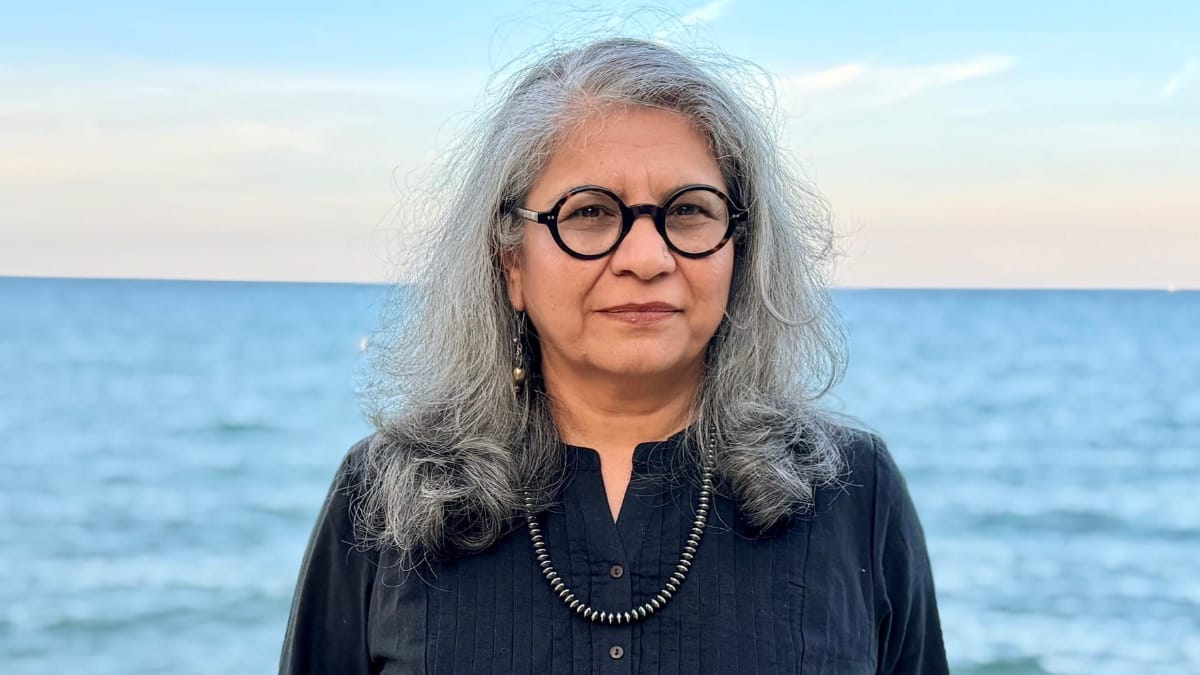
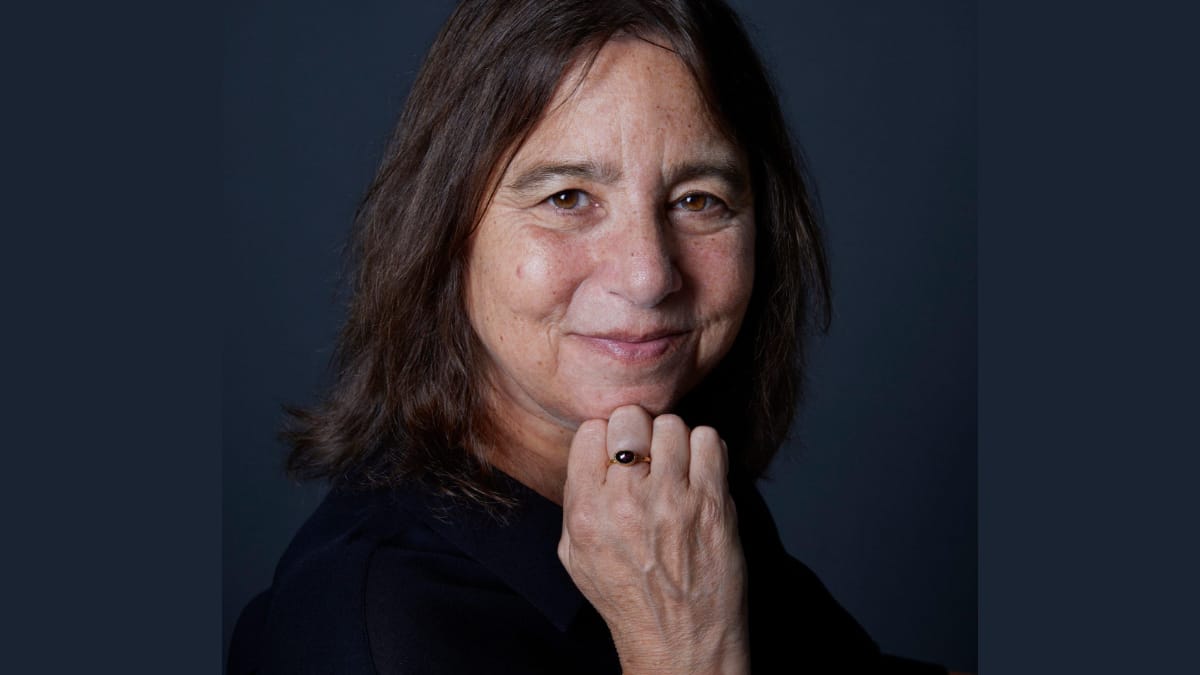
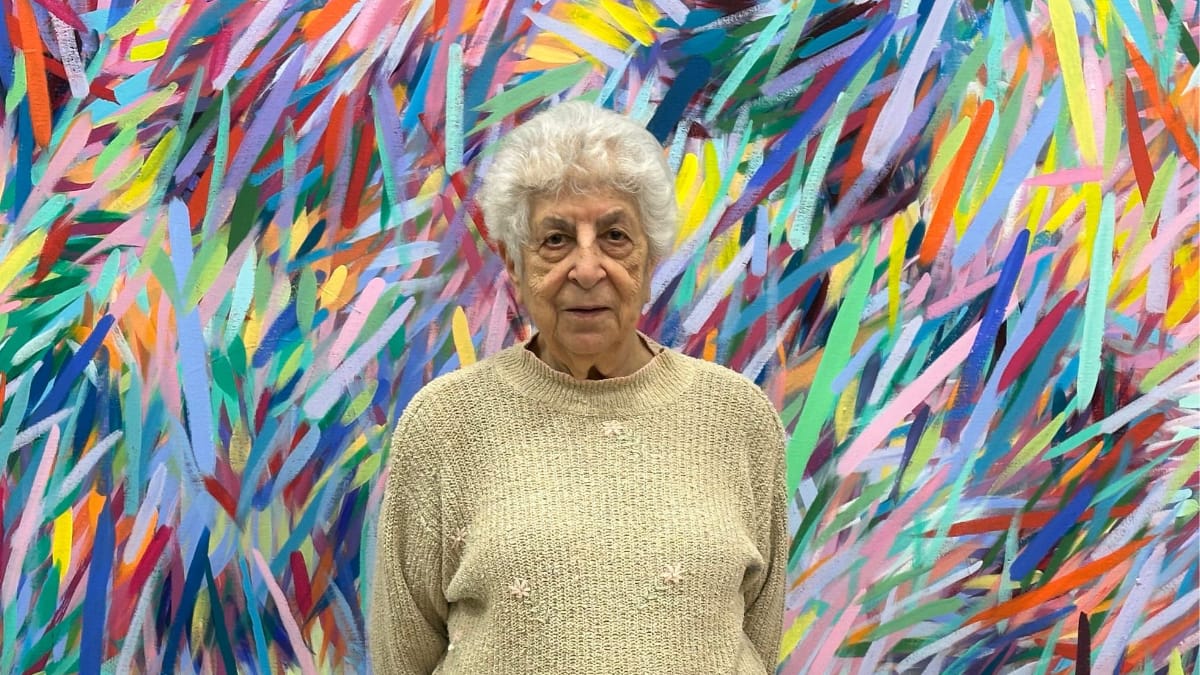
The School of the Art Institute of Chicago (SAIC), long heralded as a bastion of creative inquiry and radical pedagogy, currently finds itself embroiled in a controversy that strikes at the very heart of the educational mission: the sanctity of the classroom. In a development that has sent shockwaves through the national arts and academic community, the institution has placed Savneet Talwar, the director of its graduate art therapy program, on administrative leave.
The punitive action stems from a seemingly routine pedagogical exercise: a mock therapeutic treatment plan. The case has ignited a fierce debate regarding the boundaries of institutional authority, the influence of political pressure on academic discourse, and whether elite art schools are increasingly capitulating to an environment of fear that stifles, rather than cultivates, the imagination.
Chronology of the Incident
The sequence of events leading to the administrative leave of Savneet Talwar began during a standard course session within the graduate art therapy program. As part of a curriculum designed to prepare students for the complex, real-world scenarios they will encounter as clinicians, Talwar asked her students to design a mock treatment plan.

The specific prompt—a request to conceptualize therapy for a queer Arab woman who expressed sympathy for pro-Palestinian protests and voiced legitimate, anxiety-driven fears regarding potential political retaliation under the Trump administration—was intended to challenge students to navigate the intersection of identity, trauma, and the current political zeitgeist.
Shortly after the assignment was disseminated, the internal reaction from the school’s administration was swift. Provost Martin Berger, a figure whose own academic bibliography includes significant works on the history of the American civil rights movement, determined that the exercise was inappropriate. Within a short window, the decision was finalized to place Talwar on leave, effectively removing her from the classroom and stalling her leadership of the graduate program.
The Academic Context: A Question of Empathy
At the core of the art therapy discipline lies the ability to hold space for the patient’s subjective reality. In clinical settings, therapists are trained to meet patients where they are, regardless of the clinician’s personal political leanings. By asking students to create a plan for a hypothetical patient facing political anxiety, Talwar was performing a standard, foundational exercise in clinical empathy.
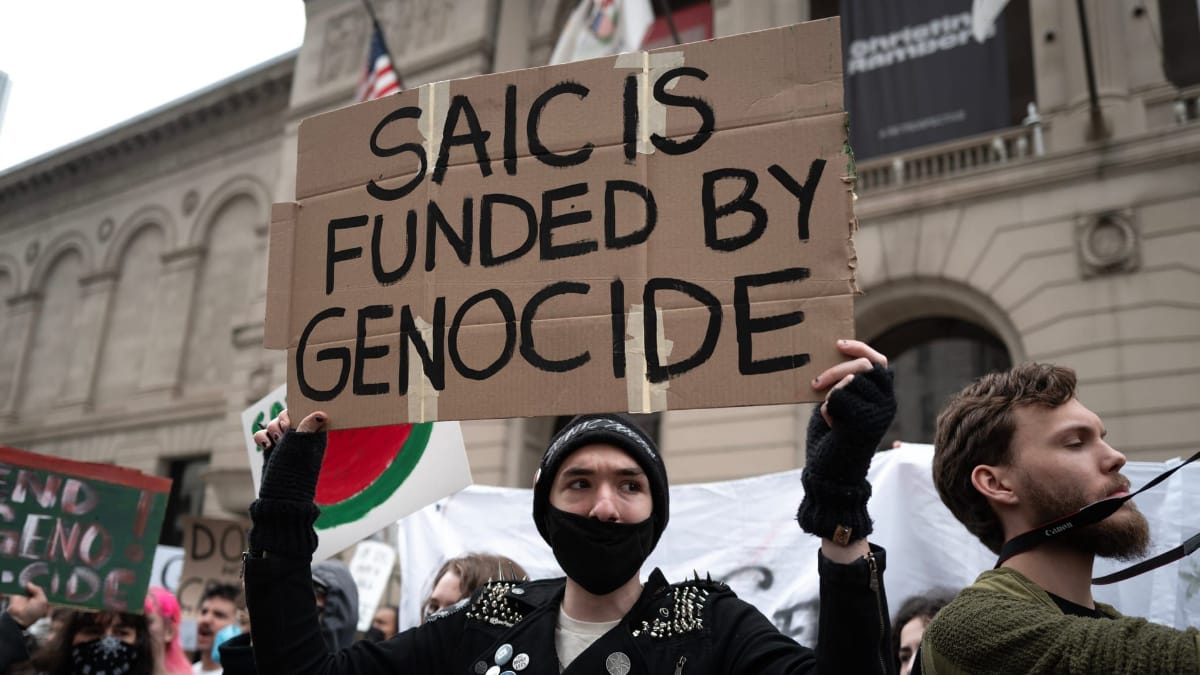
Critics of the university’s decision argue that by labeling this exercise as "unacceptable," the administration is not merely criticizing a curriculum choice, but is instead enforcing a political orthodoxy. When an institution dictates which topics are "off-limits" for clinical reflection, it strips students of the tools necessary to treat marginalized communities, whose traumas are often inextricably linked to political and social instability.
Supporting Data and Institutional Trends
The SAIC incident does not exist in a vacuum. It is part of a broader, documented trend in American higher education where the "culture wars" have increasingly permeated private institutions.
Data from the Foundation for Individual Rights and Expression (FIRE) suggest that since late 2023, there has been a marked increase in the targeting of faculty members who incorporate topics related to the Middle East or domestic political dissent into their teaching. Across the United States, students and faculty alike have faced disciplinary measures, including arrest, for protesting or expressing viewpoints that challenge the prevailing institutional stance on geopolitical conflicts.
In the case of SAIC, the irony is particularly pointed. The institution’s brand is built upon the promise of "the art of change," a slogan that implies a commitment to radical thought and social progress. However, the current reality suggests that this commitment ends where institutional comfort begins.
Official Responses and Administrative Stance
To date, the official response from the School of the Art Institute of Chicago has been minimal, relying on standard human resources language regarding "personnel matters." However, the subtext of the administration’s silence—and the visible actions taken by Provost Martin Berger—communicates a clear hierarchy of values.
By acting against Talwar, the administration has signaled that the potential for donor discomfort or political fallout outweighs the pedagogical necessity of exploring complex, real-world issues. For a provost who has spent his career studying the civil rights movement—a movement defined by the very kind of protest and political anxiety the students were asked to analyze—this pivot toward censorship is viewed by many faculty members as a profound betrayal of the scholarly tradition.
Implications for Democratic Discourse
The implications of the SAIC situation are far-reaching. If an art school—an environment designed for the exploration of the radical, the difficult, and the unseen—chooses to regulate the imagination of its students, it sets a dangerous precedent for the broader democratic society.
1. The Erosion of Critical Thinking
When students are prohibited from engaging with the "fears of the other," they lose the ability to empathize with perspectives outside of their own lived experience. Art therapy, specifically, relies on the ability to translate intangible emotional states into visual or conceptual frameworks. By restricting the scope of these exercises, the school is essentially lobotomizing the clinical process.
2. The Normalization of Pre-emptive Censorship
The incident encourages "self-censorship" among both students and staff. When a director of a program is placed on leave for a classroom prompt, other professors inevitably begin to adjust their own curricula to avoid similar professional consequences. This leads to a sanitization of education, where complex social issues are replaced by abstract, non-controversial content that fails to prepare students for the complexities of professional life.
3. The Decay of Institutional Trust
Trust is the currency of the university. When students believe that their educators are being targeted for political reasons, the relationship between the student and the institution shifts from one of mentorship to one of surveillance. This atmosphere of distrust is antithetical to the creative process, which requires a sense of psychological safety to flourish.
A Wider View: Beyond the Classroom
The SAIC controversy is not an isolated event; it is a symptom of a broader societal shift toward authoritarian management styles within institutions that were once bastions of liberal inquiry. As Editor-at-Large Hrag Vartanian has noted, this is a form of decay that "we have to fight at every turn."
Whether through the lens of political activism, the curation of art, or the training of future clinicians, the ability to imagine a world different from the current one is the primary weapon against tyranny. When schools begin to police the imagination—limiting what can be thought, what can be felt, and what can be discussed—they are not protecting their students; they are preparing them for a life of compliance.
Conclusion: The Path Forward
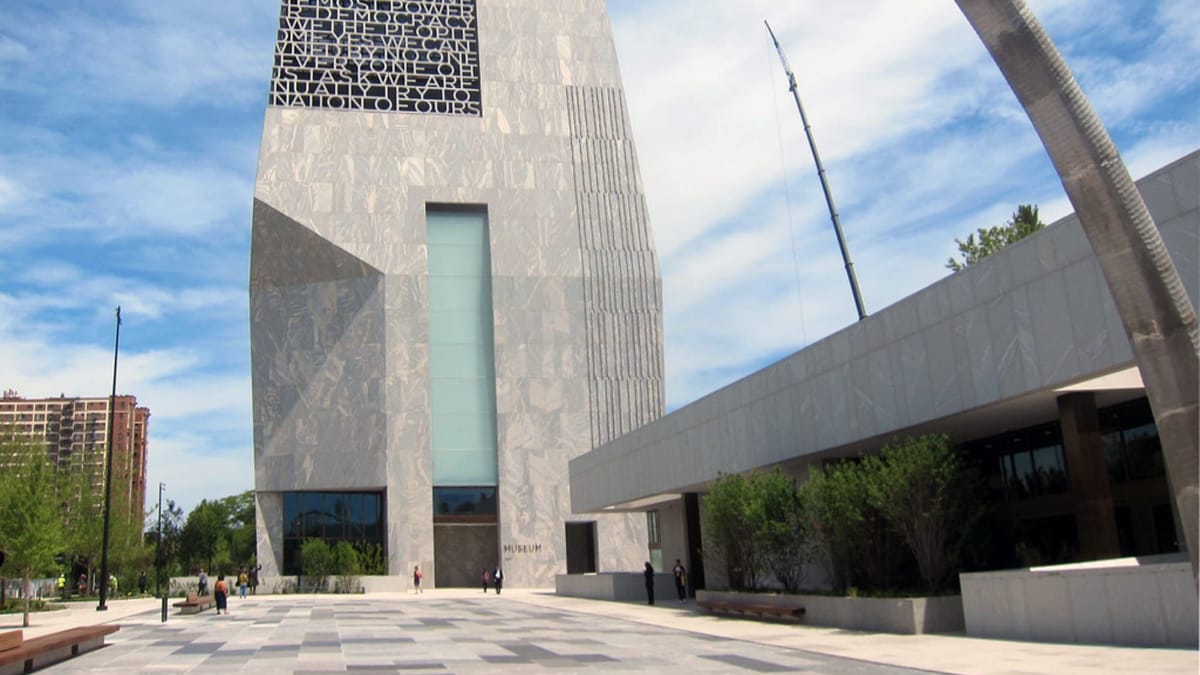
The path forward for SAIC remains uncertain. The faculty and student body are increasingly vocal, calling for a return to the values of academic freedom and intellectual rigor that the school claims to uphold. However, until the administration acknowledges the gravity of its actions and reverses its stance on the policing of pedagogical exercises, the "Obamalith" of institutional silence will continue to loom over the campus.
True institutional resilience lies in the ability to withstand political pressure while maintaining the integrity of the classroom. If the School of the Art Institute of Chicago wishes to retain its reputation as a leader in arts education, it must decide whether it wants to be an institution that facilitates the growth of the imagination, or one that restricts it to fit the narrow confines of political convenience.
The future of the institution, and perhaps the future of the art therapy discipline as a whole, depends on the courage of those who refuse to let their imagination be curbed. The story of Savneet Talwar is a reminder that the war on imagination is a war on democracy itself, and it is a battle that, in an art school, should never be lost.
 Muslim
 Evan Lee Salim
 Jia Lissa
