

By Hyperallergic Staff
As the United States marks its 250th anniversary, the national mood remains complex, caught in a sweltering heat wave that mirrors the country’s own internal frictions. It is a holiday defined by a strange, discordant duality: the traditional pageantry of a quarter-millennium of statehood juxtaposed against a profound, ongoing interrogation of what the nation actually represents. For the arts community, this moment is not merely a cause for celebration, but a critical juncture for reflection on the power of the collective.
This week, Hyperallergic turns its lens toward the myriad ways in which creative communities are navigating these turbulent times. From the legal victory of upheld birthright citizenship to the grassroots humanitarian efforts in earthquake-ravaged Venezuela, the stories we cover this week are a testament to the endurance of the human spirit. They serve as a love letter to those who use creativity to bridge divides, challenge authority, and nurture one another when the structures of power fail.

The Reimagined Icon: Art as Political Resistance
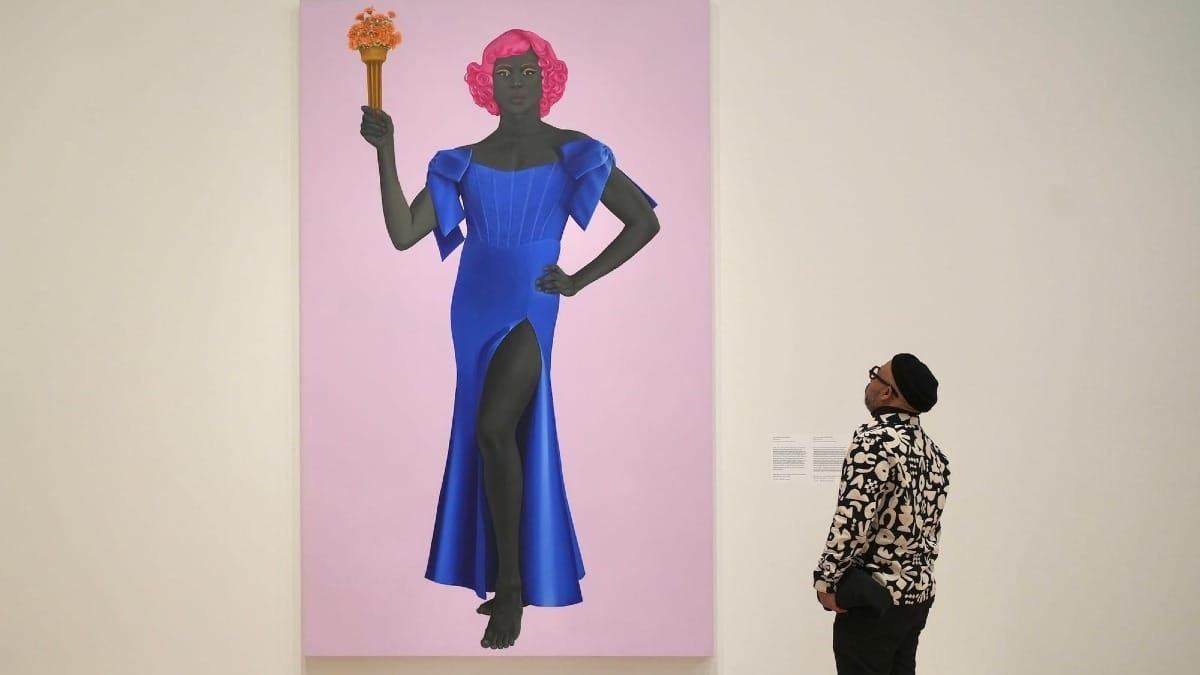
The significance of the "Lady Liberty" symbol has long been a fixture of American iconography, often co-opted by state narratives. However, as Aruna D’Souza explores in this week’s feature, a new generation of artists is actively subverting this imagery.
Central to this discourse is Abigail DeVille’s 2020 installation, Light of Freedom. Created during the height of the Black Lives Matter movement—a period defined by seismic societal shifts and collective resistance—the work transforms the iconic, detached torch of the Statue of Liberty into a sprawling, visceral symbol of the protest movement. DeVille’s work does not stand on a pedestal; it reaches out, physically and metaphorically. As the artist herself noted, the sculpture is designed to represent "people that hooked each other arm-in-arm to fight for whatever this nation actually pretends that it was founded or based on."
This act of reclamation is symptomatic of a broader movement in the arts, where creators are moving away from passive observation toward active participation in the civic fabric. By centering the human chain of protest, DeVille reframes "freedom" not as a static gift from the state, but as a dynamic, fragile practice performed by the people.
Philip Guston and the Poetics of the Bare Line
While contemporary artists are grappling with the immediate, others are looking back to the masters who bridged the gap between the internal psyche and the external world. John Yau’s latest deep dive into the work of Philip Guston offers a poignant reminder of the power of community in the creative process.
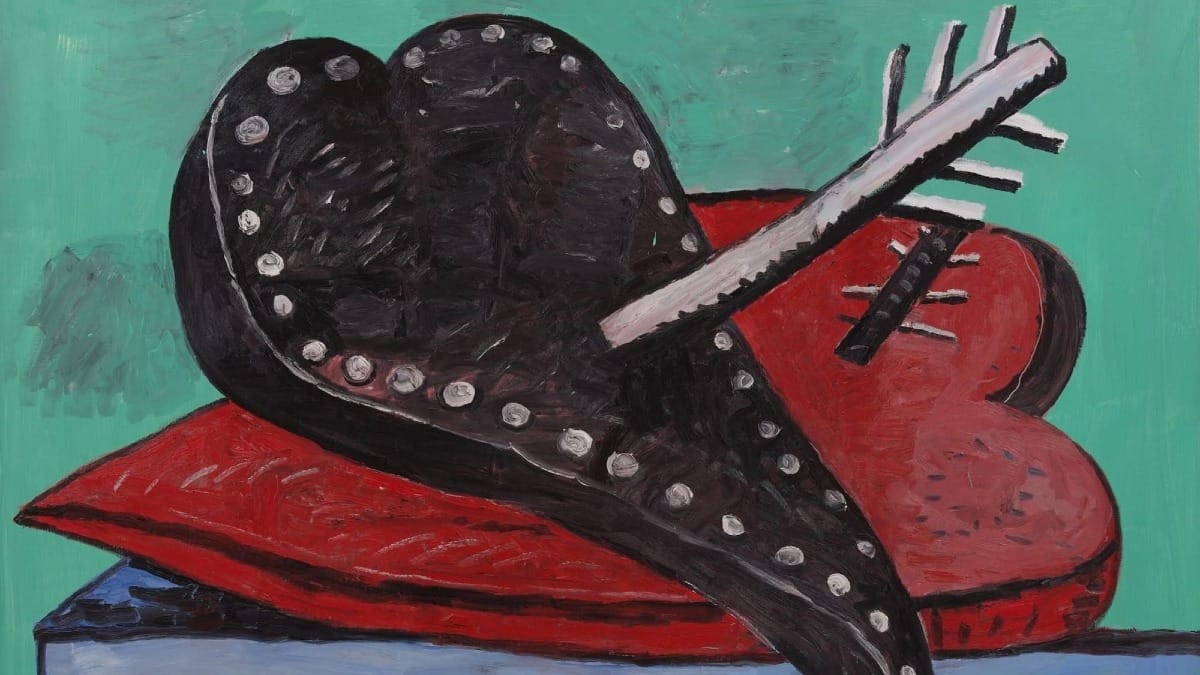
The exhibition Life With P. — Philip Guston: Paintings and Drawings 1964–1978, currently on view at Hauser & Wirth, provides a rare, intimate look at a pivotal transition in the artist’s life. In 1968, Guston, his wife—the poet and artist Musa McKim—and their daughter relocated to Woodstock, New York. It was here that Guston’s practice underwent a radical, cartoonish metamorphosis.
Yau argues that this shift was not an isolated creative impulse but was deeply informed by the poetry community surrounding the family. Through his collaborations with poets like Clark Coolidge, Guston began to pare down his visual language to the essential line. This minimalism was not a reduction of meaning, but an expansion of it; by stripping away the noise of abstraction, Guston found a new, urgent way to depict the human condition. The exhibition serves as a testament to the idea that an artist’s work is never truly solitary—it is a conversation held with peers, partners, and the poetry that fills the quiet spaces of daily life.
Chronology: A Week of Cultural Policy and Community Action
The intersection of art and policy has been particularly active this week, with major developments in New York and beyond.
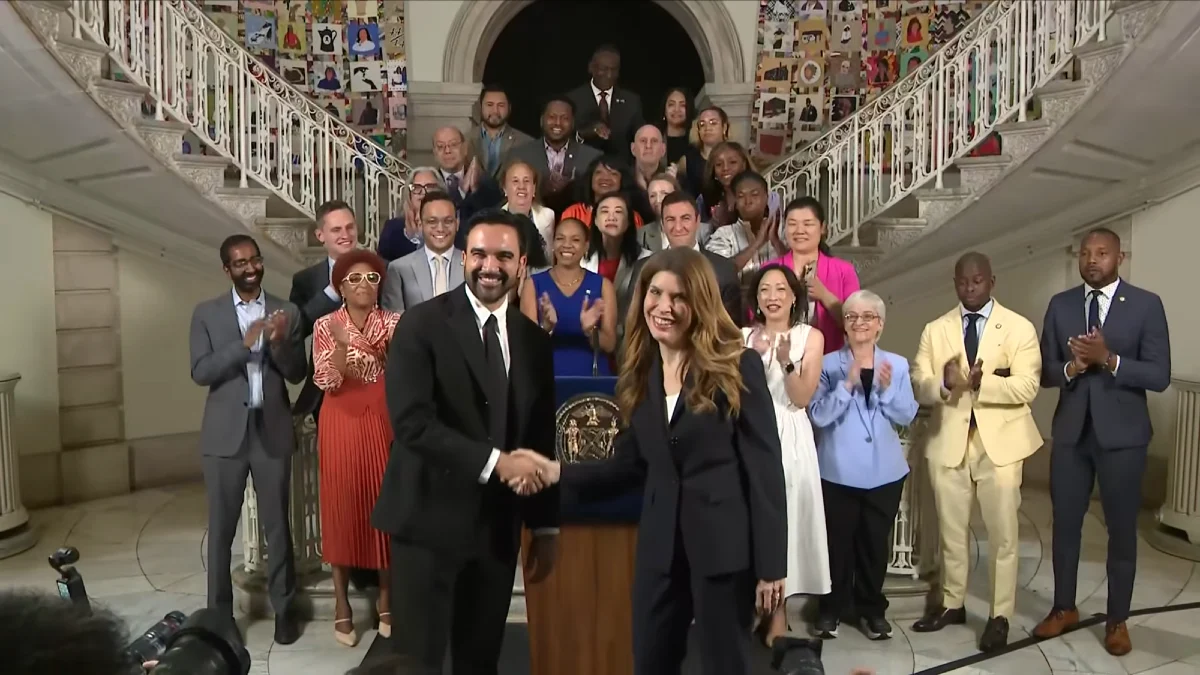
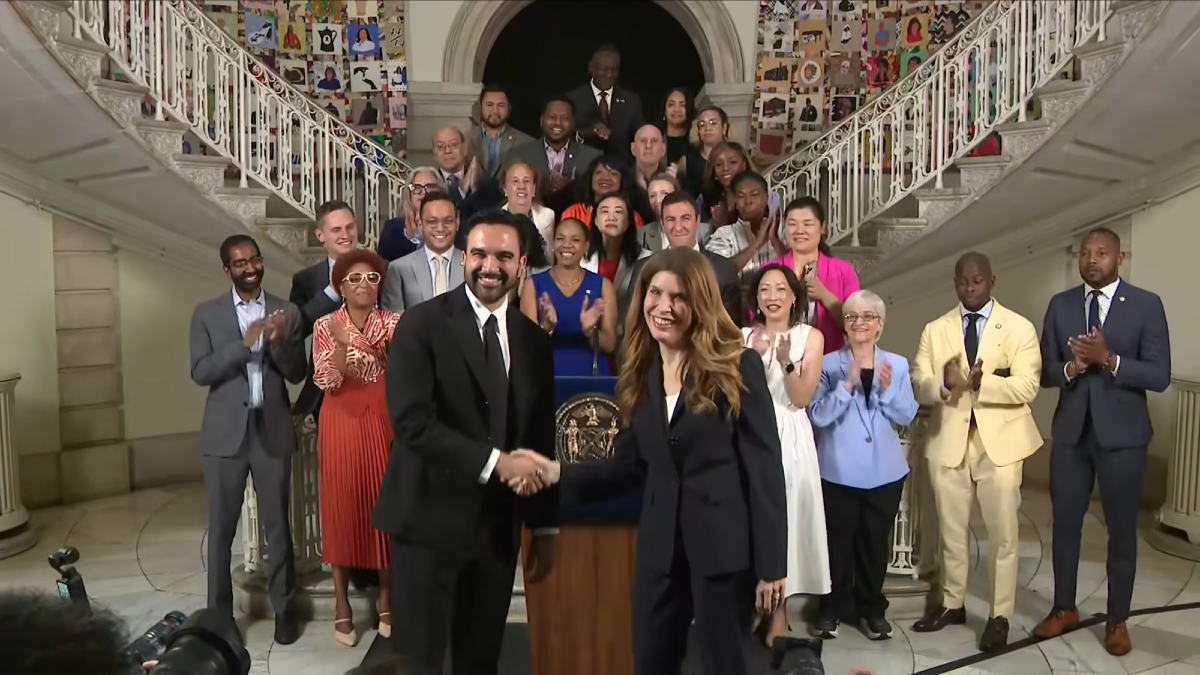
- Monday, June 29: Reports emerge regarding the record-breaking budget allocation for the New York City Department of Cultural Affairs. Spearheaded by Mayor Zohran Mamdani, the $323 million investment represents a significant shift in municipal priorities, signaling a commitment to cultural infrastructure during a time of economic uncertainty.
- Wednesday, July 1: Staff writer Isa Farfan details the implications of the Mamdani budget, noting that the funds are specifically earmarked for grassroots organizations rather than just the major, well-funded institutions, potentially reshaping the city’s cultural geography.
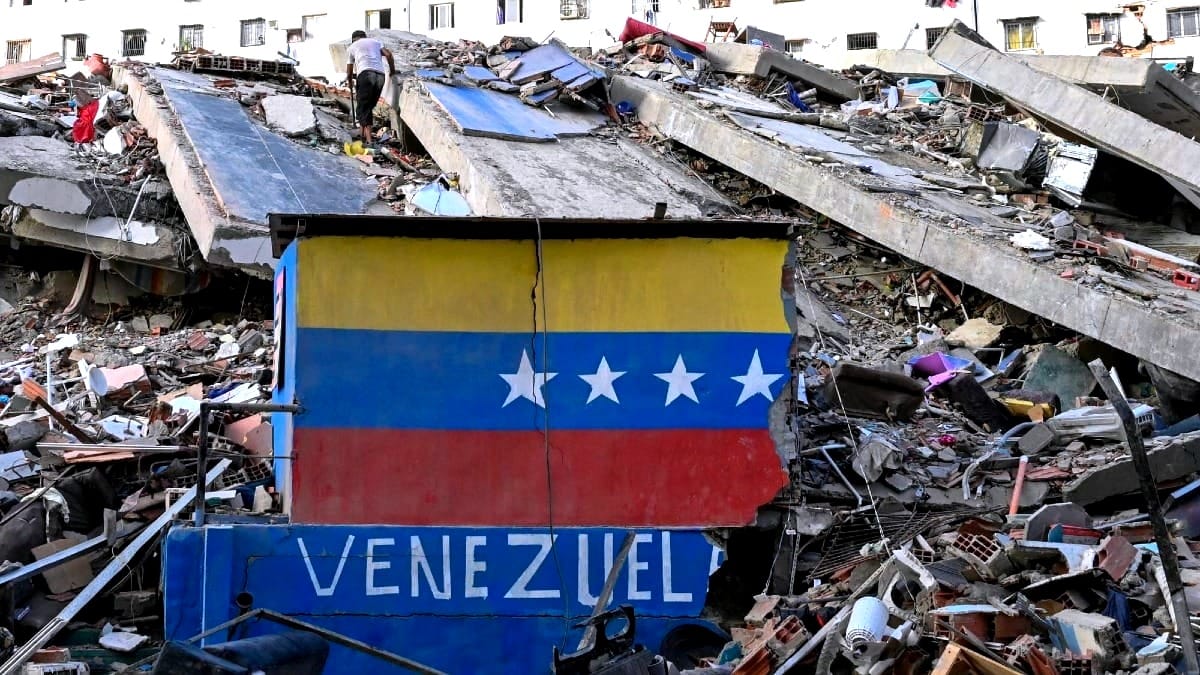
- Thursday, July 2: In the wake of recent earthquakes in Venezuela, artist-led networks continue to mobilize. Reports from the ground indicate that these ad-hoc collectives are providing food, shelter, and medical support where traditional infrastructure has crumbled.
- Friday, July 3: The art world responds to the Supreme Court’s decision to uphold birthright citizenship. Galleries and independent institutions across the country held forums to discuss the intersection of art and the legal rights of marginalized communities.
Supporting Data: The Case for Cultural Funding
The $323 million allocated by Mayor Mamdani is not merely a budget item; it is a strategic investment in the social capital of New York City. According to data provided by the Department of Cultural Affairs, independent, community-based arts organizations contribute significantly to local economies while providing essential social services.
When cultural institutions are funded, they act as hubs for neighborhood resilience. In the current economic climate, where independent journalism and art reporting are increasingly vulnerable to market volatility, the push for public funding becomes even more critical.
Hyperallergic maintains that independent, critical reporting is the bedrock of a functioning democracy. As corporate interests continue to consolidate, the need for platforms that remain beholden only to their readers becomes paramount. Our reporting, like the art we document, relies on the support of a community that values transparency, integrity, and the courage to challenge the status quo.
Global Perspectives: Solidarity in Ruins
While the United States reflects on its birthday, our focus remains international. In Venezuela, the ongoing earthquake relief efforts led by local artists highlight the necessity of "networks of care." In the absence of robust state intervention, these artists have repurposed their studios and exhibition spaces into supply hubs and triage centers.
This is a recurring theme in modern art history: when the world breaks, the artist is often among the first to offer a new way of putting it back together. Whether it is through the literal distribution of aid in Venezuela or the conceptual work of artists in the US, the message is clear: art is not a luxury; it is a primary tool for survival and social cohesion.
Official Responses and Implications
The decision to fund the New York City cultural budget has been met with both praise and scrutiny. Proponents argue that the record budget will serve as a buffer against inflation and rising rent costs for artists. However, critics point out that the distribution of these funds must be transparent to avoid the pitfalls of past bureaucratic cycles.
"The funding is a victory for the people," Mayor Mamdani stated in a press conference. "But the real work begins when we decide who gets to define what ‘culture’ is in this city."
The implications are far-reaching. By shifting the focus toward grassroots, community-oriented art, the city is implicitly acknowledging that the most vital cultural work often happens outside of the "white cube" galleries. If successful, this model could serve as a blueprint for other urban centers grappling with how to support the arts while addressing systemic inequality.
A Note on the Absurd: The Messi Statue
Of course, no week in the arts would be complete without a touch of the bizarre. As staff writer Rhea Nayyar noted, the new statue of Lionel Messi in Argentina has become a viral sensation. Whether it is an act of artistic genius or a monumental misfire, the statue has sparked a national conversation about the nature of public monuments.
In a week filled with heavy political discourse and humanitarian crisis, the sheer absurdity of the statue provides a necessary release. It is a reminder that art can be everything at once: a vehicle for protest, a record of history, a mechanism for survival, and, occasionally, just something that makes you laugh until you cannot unsee it.
Looking Forward: Opportunities for Artists
As we move further into July, the landscape of opportunities for artists, writers, and cultural workers remains robust. From the Paul & Daisy Soros Foundation fellowships to various international residency programs, the path for those looking to engage with the creative community is open.
At Hyperallergic, we remain committed to covering these developments with the rigor and independence they deserve. We hope you will continue to join us, support our reporting, and advocate for the creative voices that make the world a more complex, challenging, and vibrant place to live.
In this season of heat and history, let us remember that the "power of the people" is not a platitude—it is the very substance of the art we create and the society we strive to build.
To support independent art reporting, consider becoming a member of the Hyperallergic community today. Your support ensures that our pens remain untied and our coverage remains focused on the stories that matter most.
 Basiran
 Muslim
 Evan Lee Salim
