

In a significant diplomatic and legal development, the Manhattan District Attorney’s office announced on July 15, 2026, the successful repatriation of three ancient artifacts to the people of Mexico. The return marks the sixth such operation led by the Manhattan District Attorney’s Antiquities Trafficking Unit (ATU), reinforcing a growing global trend of aggressive provenance oversight and the reclamation of cultural heritage by source nations.
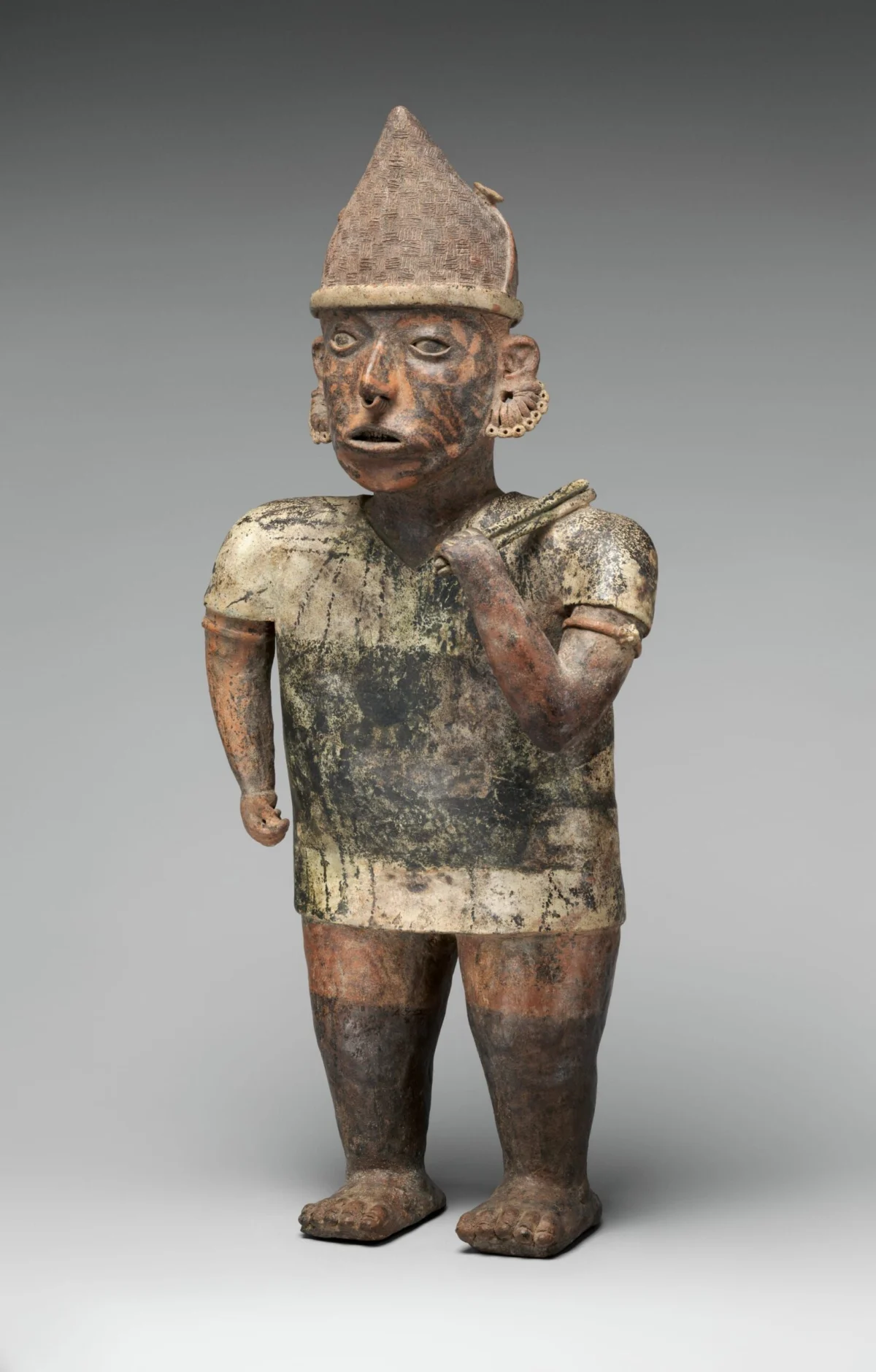
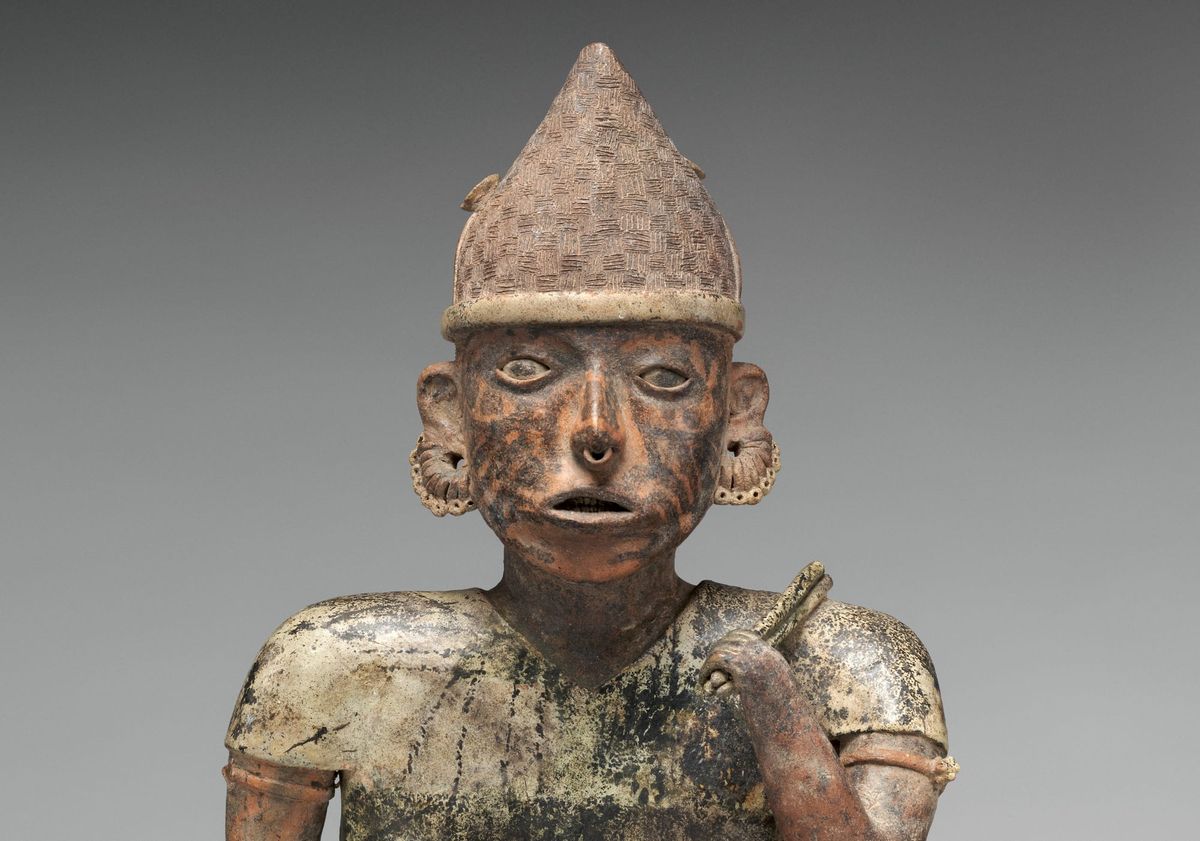
Among the returned items is a striking 1,600-year-old Nayarit sculpture, which had long been a fixture in the collection of the Metropolitan Museum of Art. This seizure, coupled with the return of an Aztec obsidian stone and a Xochipala bowl, underscores the intensifying scrutiny surrounding the provenance of objects held within some of the world’s most prestigious cultural institutions.
The Core Facts: A Trio of Returned Treasures
The three objects repatriated to Mexico represent a diverse cross-section of pre-Columbian history, spanning from 1200 BCE to 1500 CE.
- The Nayarit Sculpture (c. 100–400 CE): This standing male figure, a quintessential example of West Mexican shaft-tomb culture, served as a primary point of contention. Formerly housed at The Met, its removal marks a high-profile admission by the museum regarding the insufficiency of its initial provenance documentation.
- The Xochipala Bowl (c. 1200–900 BCE): Seized in 2025 from the Merrin Gallery in New York, this vessel highlights the ongoing vulnerability of the art market to illicitly trafficked goods, even within established commercial venues.
- The Aztec Obsidian Core (c. 1000–1500 CE): This object, a raw material essential for the creation of razor-sharp Aztec blades, was once in the possession of Eugene Alexander, an antiquities dealer convicted in 2025 for his central role in an international looting syndicate.
The collective market value of these three pieces is estimated at over $160,000. While the monetary figure is significant, the symbolic value of these objects—as remnants of identity and collective history—is viewed by the Mexican government as immeasurable.
A Chronology of Accountability
The repatriation is not an isolated event but rather the latest chapter in a multi-year effort by the Manhattan DA’s office to dismantle global illicit antiquities networks.
- 2023: Recognizing the systemic failures in provenance tracking, The Metropolitan Museum of Art announced the establishment of a dedicated provenance research team. This initiative was designed to proactively identify and rectify gaps in the history of its holdings.
- 2025: A watershed year for the ATU, marked by the conviction of Eugene Alexander, whose illicit trafficking network had supplied numerous pieces to high-end galleries and museums across New York. Simultaneously, the seizure of the Xochipala bowl from the Merrin Gallery sent shockwaves through the Manhattan art scene.
- 2026 (February): A Roman bust, previously linked to the disgraced dealer Phoenix Ancient Art, was returned to Turkey, signaling the ATU’s expanding scope beyond pre-Columbian artifacts.
- 2026 (July): The official transfer of the three Mexican artifacts takes place, bringing the total number of objects returned to Mexico by the Manhattan DA’s office to 52, with a combined valuation exceeding $13 million.
The Broader Landscape: Institutional Vulnerability
The Metropolitan Museum of Art currently finds itself in a delicate position. Recent investigations into its holdings have resulted in a total valuation of $95 million in surrendered artifacts. This staggering figure has prompted widespread public debate regarding the standards of "due diligence" practiced by curators and acquisition boards over the last several decades.
Art crime scholar Erin L. Thompson, writing for Hyperallergic, recently underscored the persistent problem of "tainted" provenance. Her research indicates that many US museums continue to house artifacts acquired through questionable channels, including dealers with known records of trafficking. Even as The Met has doubled the size of its provenance research team—hiring experts like former Sotheby’s staffer Lucian Simmons—the backlog of items requiring investigation remains immense.
The Met’s reliance on dealers linked to criminal networks has become a recurring liability. As the DA’s office continues to trace the "paper trails" of these dealers, it is widely anticipated that more objects currently residing in museum galleries will be flagged for repatriation in the coming months.
Official Responses: A Balancing Act
The repatriation ceremony was marked by a blend of diplomatic cooperation and institutional concession.
Consul General Marcos Bucio, representing the Mexican government, framed the return as a victory for cultural sovereignty. "This Nayarit figure is far more than an archaeological object," Bucio remarked. "It is a powerful testimony to the creativity, identity, and collective memory of the peoples of ancient Mexico." His words reflect a hardening stance by the Mexican state: cultural property is not merely an asset to be displayed, but a vital component of national patrimony that must be protected from commodification.
Max Hollein, Director and CEO of The Met, maintained a tone of cooperation. In a press release, he expressed gratitude to "the experts and authorities whose work helped clarify the provenance of this object." By emphasizing the collaborative nature of the research, the museum appears to be attempting to pivot from a defensive posture to one of transparency.
Manhattan District Attorney Alvin Bragg, however, offered a more sobering assessment of the situation. "We believe that the trafficking networks we have identified are responsible for other pieces looted throughout Mexico," Bragg stated. "And our work continues." His words serve as a warning to both private collectors and public institutions that the investigation into the illicit antiquities trade is far from over.
Implications for the Global Art Market
The implications of this ongoing crackdown are profound. For the global art market, the "Wild West" era of antiquities collecting is rapidly closing. Museums are now forced to navigate a landscape where legal provenance is not merely an ethical preference but a baseline requirement for survival.
1. The Death of "Don’t Ask, Don’t Tell"
For decades, the standard practice in the art market was a form of willful ignorance—if an object’s history was murky, it was often ignored so long as the object appeared legitimate. The ATU’s success in using legal and forensic evidence to "break" these patterns of silence means that ignorance is no longer a viable defense.

2. The Rise of Provenance Transparency
Museums are increasingly forced to share their findings publicly. The Met’s decision to grow its research team is indicative of a broader trend: institutions are hiring more historians and investigators than ever before, specifically to interrogate their own collections.
3. A Shift in Power Dynamics
Source nations like Mexico, Italy, Greece, and Turkey are exerting unprecedented pressure on Western institutions. The repatriation of these 52 objects to Mexico is a testament to the fact that when international law is coupled with local investigative muscle, the balance of power shifts back toward the countries of origin.
4. Financial and Reputational Risk
The $95 million in surrendered artifacts at The Met represents not only a loss of cultural assets but also a significant blow to the museum’s prestige. For smaller galleries and private dealers, the risk of holding illicit items is now existential; one seizure can result in criminal charges, massive fines, and permanent reputational damage.
Conclusion
As the Nayarit sculpture prepares for its journey back to Mexico, it leaves behind a changed institution and a challenged market. The repatriation is more than a administrative hand-off; it is a recognition that the history of an object is as important as the object itself.
The work of the Manhattan DA’s office has effectively bridged the gap between criminal justice and art history. As the investigation continues, the world watches to see which artifacts will be next to cross the border, and how major museums will reconcile their historical acquisitions with the modern, moral, and legal demands for restitution. The message is clear: the era of unchecked cultural extraction is coming to a close, and the effort to piece together the shattered history of ancient civilizations is only just beginning.
 Muslim
 Jia Lissa
