

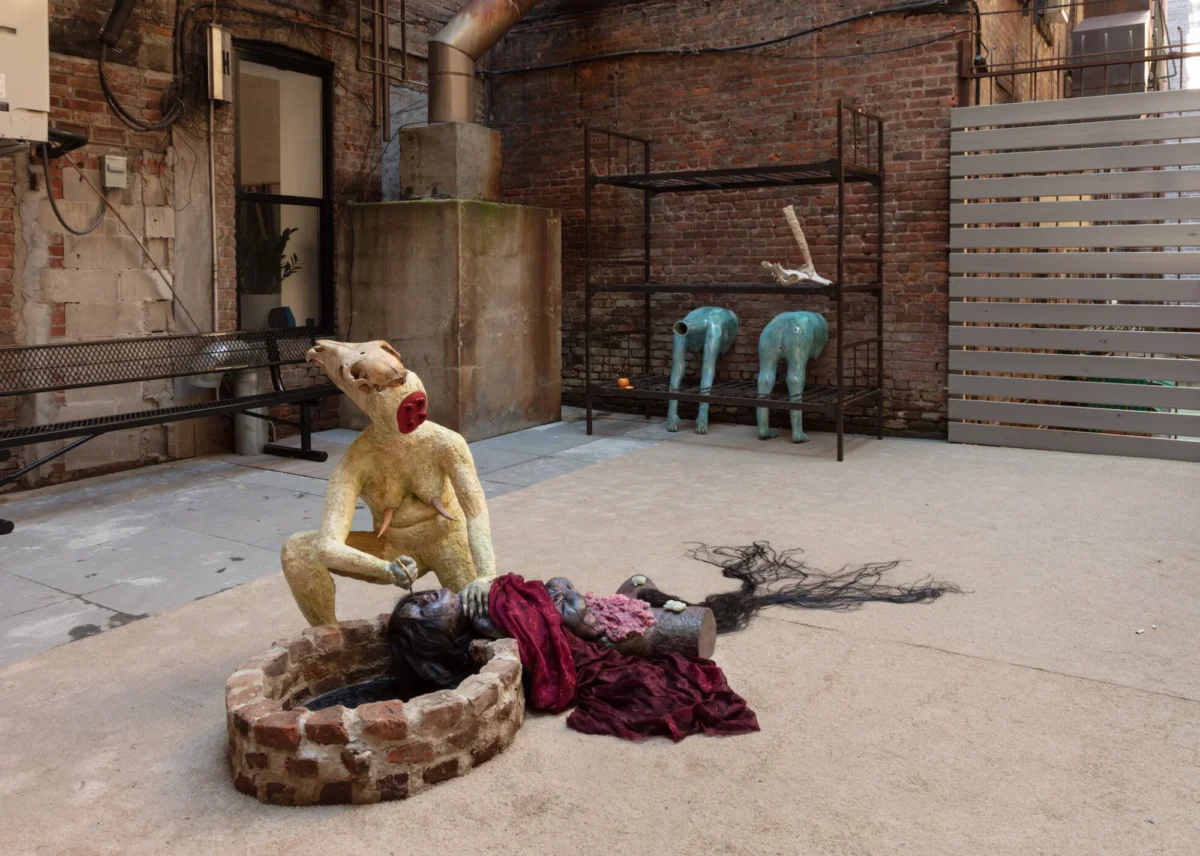
After more than a decade of shaping the Lower East Side’s avant-garde art scene, the contemporary art gallery Lyles & King officially ceased operations on July 2, 2026. The announcement, delivered via a heartfelt social media post, marks the conclusion of an 11-year run that saw the gallery evolve from an ambitious startup into a cornerstone of New York’s independent gallery circuit.
During its tenure, Lyles & King curated 118 exhibitions, consistently prioritizing intellectual rigor and aesthetic diversity. While the gallery’s closure follows a broader, worrying trend of physical spaces shuttering across the United States, its legacy remains deeply embedded in the careers of the artists it nurtured and the community it fostered.
The Foundation of a Visionary Space
Founded in May 2015 by Isaac Lyles, the gallery emerged at a pivotal moment in the New York art market. Having previously served as the associate director at the established Derek Eller Gallery, Lyles brought with him a nuanced understanding of both the commercial and curatorial demands of the industry.
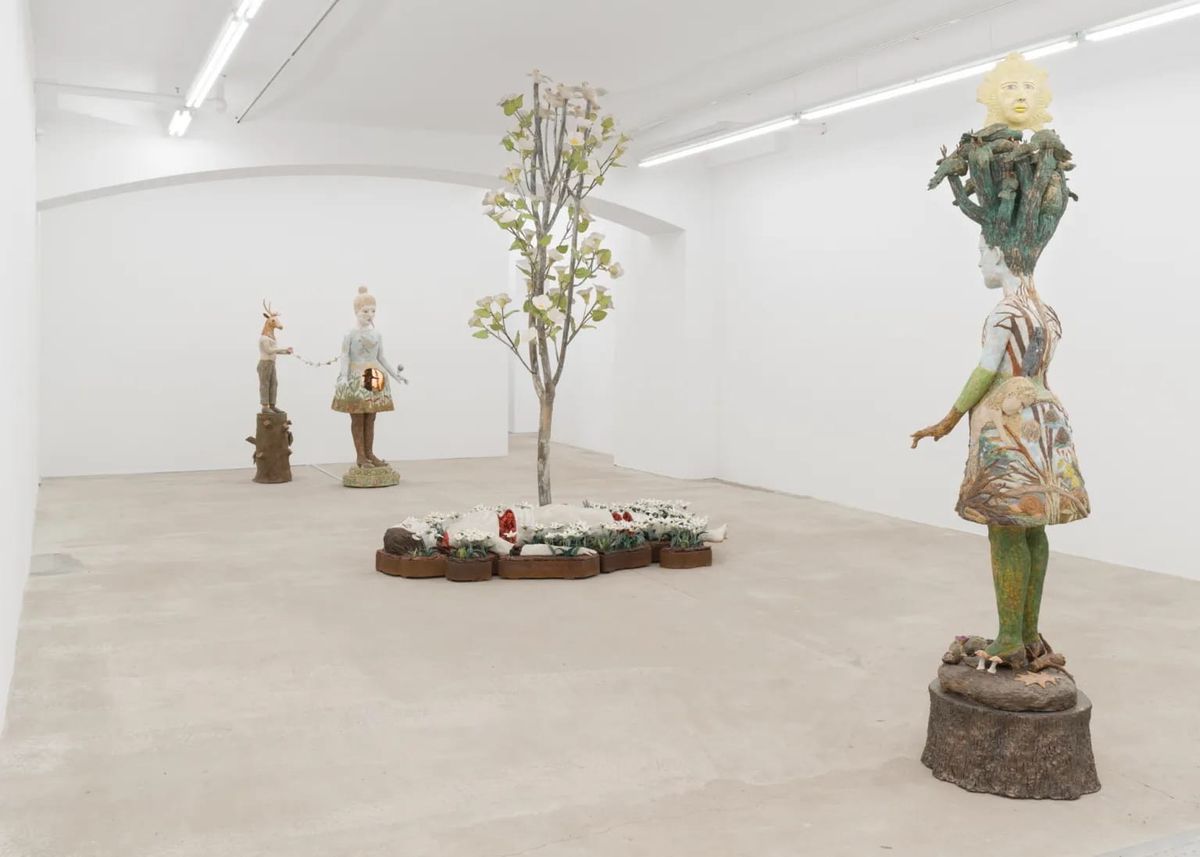
The gallery’s inception coincided with a geographic shift in the city’s art ecosystem, as galleries began migrating from the polished, corporate atmosphere of Chelsea toward the grittier, more experimental streets of the Lower East Side. Lyles & King quickly distinguished itself by championing artists whose work pushed boundaries, focusing on “the importance of experiencing exhibitions in an all-too-mediated world,” as Lyles stated in his farewell announcement.
From its debut at the NADA New York art fair in 2015 to its final exhibitions this past June—a solo show of gouache and pencil works by Jessie Makinson and a dynamic group exhibition featuring Cato Ouyang, Fernanda Galvão, and Ren Light Pan—the gallery remained a space dedicated to the visceral power of art. Lyles noted that he maintained his commitment to “art’s capacity to engage us with our humanity: with our bodies, with one another, and with subjectivities outside our own.”
A Chronology of Growth and Transformation
The trajectory of Lyles & King is a testament to the organic growth of a gallery built on strong artistic relationships rather than pure market speculation.

- 2015: Isaac Lyles establishes the gallery on Forsyth Street. Early programming quickly gained notice, attracting talent such as Mira Schor, Chris Hood, Philip Birch, Chris Dorland, and Davina Semo. Notably, Semo’s decision to leave the established Marlborough Gallery for the nascent Lyles & King signaled that the space was becoming a destination for artists seeking a “peer group with more common intellectual interests.”
- 2020: In a bold move during a tumultuous year for the art world, the gallery shuttered its Forsyth Street location to relocate to a more expansive space on Catherine Street. This move allowed for more ambitious installations and the inclusion of an outdoor space, which became a unique venue for sculptural work by artists like Kathy Ruttenberg, Michael DeLucia, and Polly Borland.
- 2021–2025: The gallery expanded its footprint to include a secondary location on Henry Street. This period saw the solidification of its reputation as a hub for both emerging talent and established figures.
- 2025: The gallery celebrated its 10th anniversary with a landmark group exhibition. The show served as a microcosm of the gallery’s ethos, placing works by veterans like Claes Oldenburg and Judith Bernstein alongside those of emerging artists such as Ophelia Arc.
- 2026: On July 2, Lyles & King announced its closure, bookending its final season with exhibitions that reflected the gallery’s long-standing dedication to multi-dimensional, multimedia practices.
The "Brick by Brick" Philosophy
The success of Lyles & King was largely attributed to Isaac Lyles’s uncompromising curatorial eye. Unlike many galleries that chase market trends, Lyles & King was built on a foundation of genuine obsession with the work.
When asked for advice for the current generation of gallerists facing a difficult economic climate, Lyles offered a philosophy of slow, intentional growth. "Be fearless. Be slow. Be true to yourself," he wrote in an email to Hyperallergic. "Don’t compare. Collaborate. Be patient: you’re building a foundation brick by brick. Work ferociously, show great work. Don’t frame, don’t ship—unless you are beyond obsessed with the work. Only exhibit work you’re obsessed with."
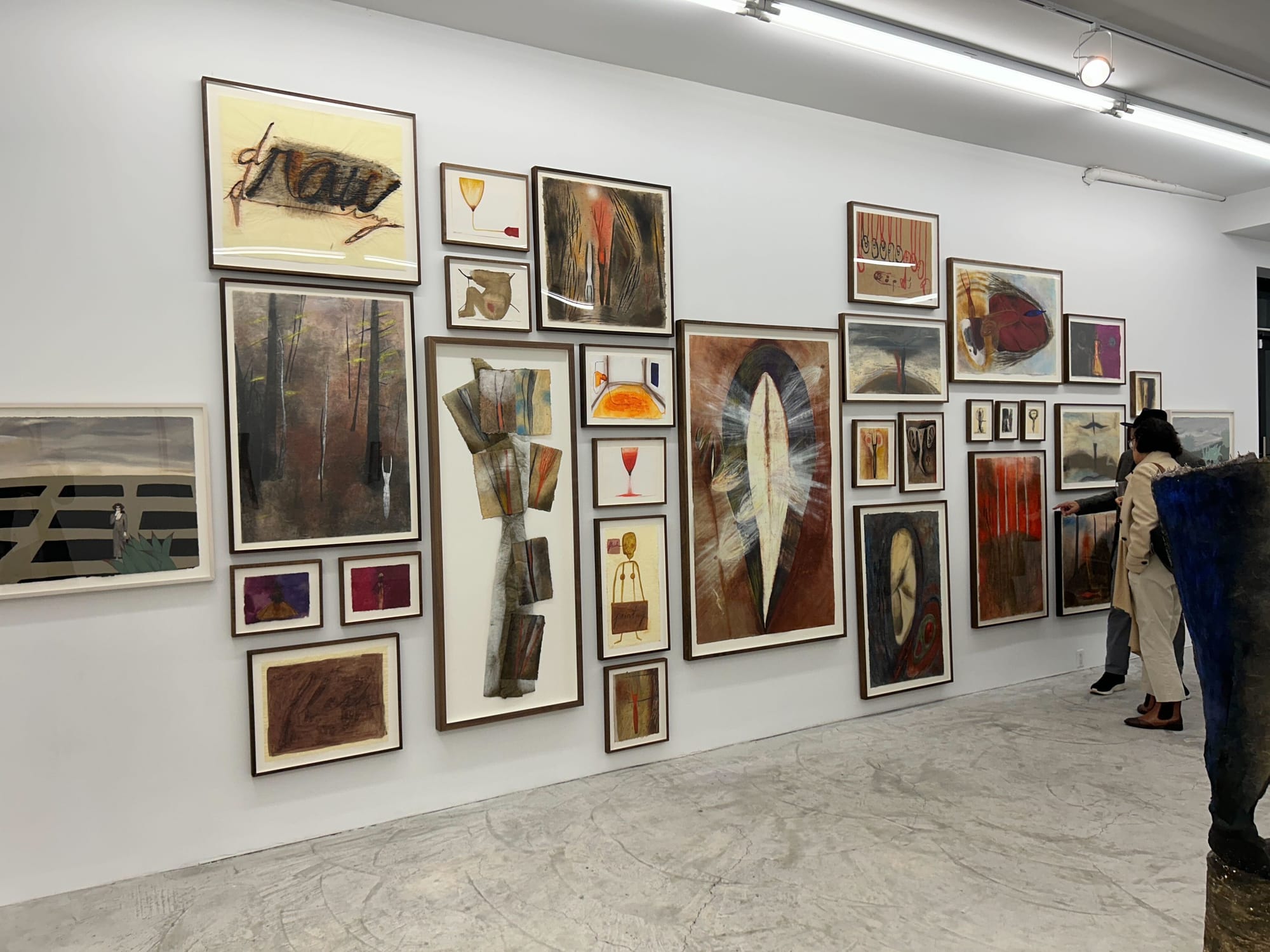
This ethos of "obsessive curation" allowed the gallery to sustain long-term relationships with artists like Mira Schor, whose 2024 solo exhibition WET stood as a highlight of the gallery’s final years.
Industry Implications: A Wave of Closures
The closure of Lyles & King is not an isolated event but rather a reflection of the systemic pressures currently facing the brick-and-mortar art world. The high overhead costs of maintaining physical spaces in New York City, coupled with shifting collector behaviors and a volatile economy, have created an environment where even the most respected galleries find it difficult to survive.
The statistics are sobering. In 2023, New York City witnessed the loss of six galleries, with others pivoting entirely to online-only models to cut costs. By 2025, the trend had accelerated, claiming heavy hitters and boutique spaces alike. The closure of Kasmin, Clearing, and the non-profit Canal Projects served as a wake-up call for the local art community. Meanwhile, West Coast institutions have not been immune; both Altman Siegel in San Francisco and the legendary LA Louver in Los Angeles have either shuttered their doors or transitioned to a private, appointment-only model.
These closures suggest a fundamental change in the "gallery model." Many dealers are finding that the traditional white-cube space, with its high rent and staff requirements, is increasingly incompatible with the modern reality of art sales, which are increasingly happening via art fairs, private viewings, and digital platforms.
A Legacy of Engagement
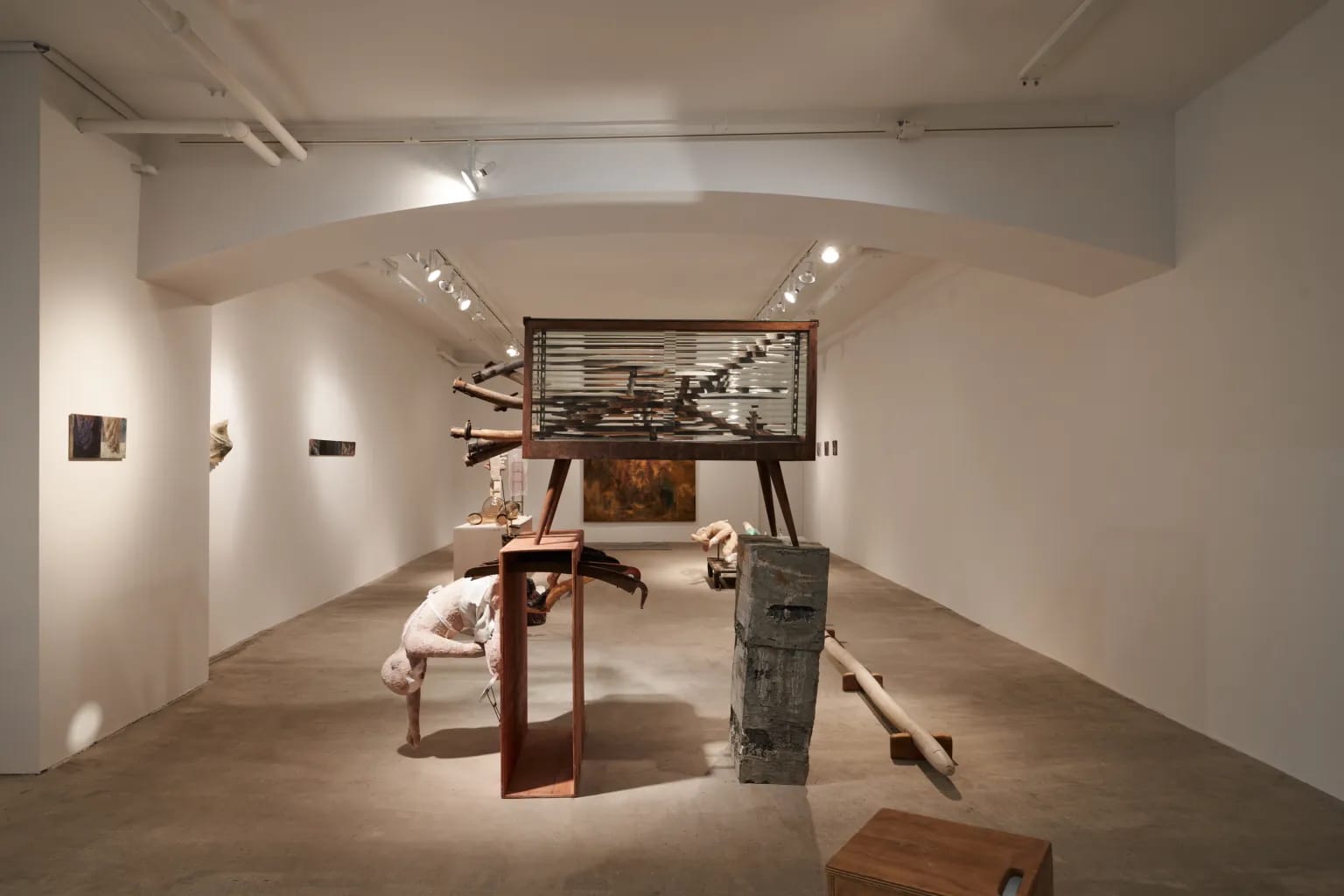
While the physical spaces on Catherine and Henry streets will no longer host exhibitions, the impact of Lyles & King on the contemporary discourse is enduring. By providing a platform for voices that prioritized intellectual inquiry over commercial expediency, the gallery helped define the aesthetic character of the Lower East Side during a decade of rapid gentrification and change.
For the artists represented by the gallery—many of whom found their footing in the art world through Lyles’s support—the closure marks the end of a safe harbor. However, the gallery’s emphasis on collaboration and “subjectivities outside our own” has created a network of practitioners whose influence will continue to resonate throughout the art world.
As Isaac Lyles steps away from the day-to-day operations of the gallery, his parting message serves as both a eulogy for his own project and a manifesto for those who remain: in an era of digital saturation, the physical, human act of gathering to look at art remains an essential, radical, and necessary endeavor. The legacy of Lyles & King is not found in the square footage it occupied, but in the 118 exhibitions that forced viewers to stop, look, and engage with the world in a more human way.
 Basiran
 Muslim
 Evan Lee Salim
