

In a political landscape often defined by career incumbents and institutional machinery, New York’s 7th Congressional District is witnessing a tectonic shift. As the city continues to digest its recent, unconventional political milestones—including the election of a Democratic Socialist mayor and a reinvigorated sense of civic identity—a new figure has emerged from the "Commie Corridor," the progressive, artist-heavy stretch of Queens and North Brooklyn.
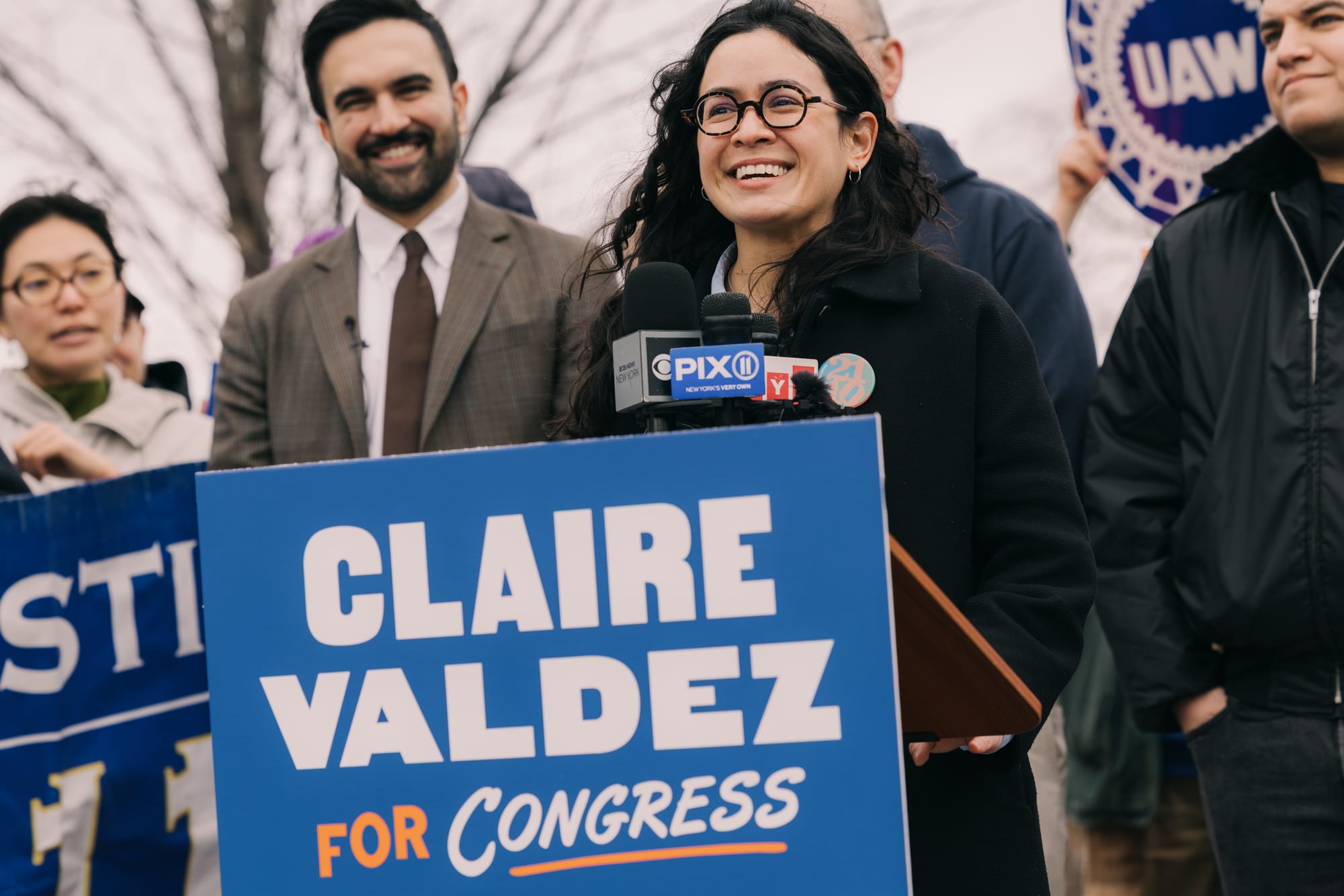
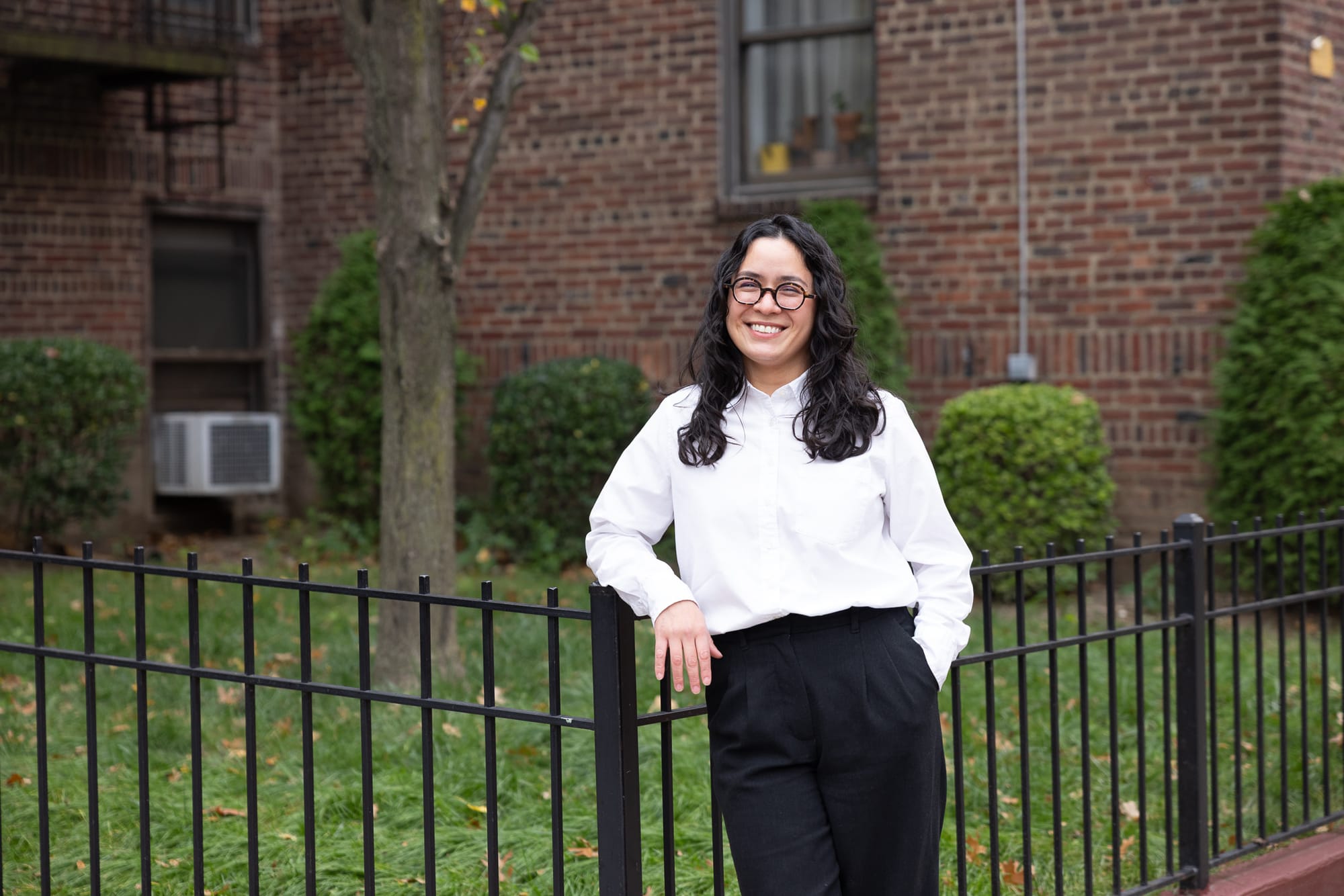
Claire Valdez, a 36-year-old New York State Assembly Member, union organizer, and former visual artist, is currently mounting a rigorous campaign for the U.S. House of Representatives. Her bid represents more than just a legislative transition; it is a manifestation of a growing movement that seeks to bridge the gap between precarious cultural laborers and the halls of federal power.
The Chronology of a Grassroots Organizer
Valdez’s path to the ballot was not paved with traditional political ambition. Born in Texas and a member of the Ysleta del Sur Pueblo, her journey began in the classrooms of the School of the Art Institute of Chicago, where she studied painting and art history.
In 2015, driven by the desire to integrate into a vibrant creative community, Valdez moved to New York City. The reality of the city, however, proved more grueling than the dream. Like thousands of artists before her, she navigated the gig economy, holding positions at Taco Bell, Trader Joe’s, and Pizza Hut to maintain her practice. Her creative output—once large-scale paintings—was eventually constricted to "book-sized" works, constrained by the physical and temporal limitations of a small Bed-Stuy apartment and the crushing demands of the service industry.
A turning point arrived when she secured a position as a program assistant in the visual arts department at Columbia University. While the job provided a measure of stability, it was the act of unionizing with UAW Local 2110 that fundamentally altered her trajectory. For the first time, Valdez experienced the protective power of collective bargaining, sparking a realization that her frustrations were not personal failures, but structural issues. By 2019, she had joined the New York City chapter of the Democratic Socialists of America (DSA), finding common cause with fellow organizers like Zohran Mamdani. Her rise culminated in 2024, when she successfully ousted a scandal-ridden incumbent to take her seat in the New York State Assembly.
A Policy Platform Built on Collective Power
Valdez’s platform is unapologetically radical, mirroring the priorities of her base in neighborhoods like Williamsburg, Greenpoint, Bushwick, Long Island City, and Ridgewood. Her core policy pillars include:
- Economic Justice: A staunch advocate for taxing the wealthy, Valdez views the current economic order as one where "bosses and billionaires" are stripping away the time, wages, and security of the working class.
- Universal Rights: She calls for Medicare for All, free at the point of service and independent of employment status, and universal rent control to combat the housing crisis.
- Foreign Policy: Valdez has been a vocal proponent of a free Palestine, consistently criticizing the status quo of American foreign policy and the complicity of major institutions in global conflicts.
- Labor Reform: Having experienced the exploitation inherent in the art world, she advocates for the expansion of union rights to cover independent contractors and gig workers, ensuring that artists receive the dignity and remuneration they are frequently denied under the guise of "prestige."
Supporting Data and Political Landscape
The race for the 7th Congressional District is a high-stakes contest that could redefine the influence of the progressive left in Washington. Recent polling from Emerson College indicates a tightening race, with Valdez holding a narrow two-point lead over her primary opponent, Brooklyn Borough President Antonio Reynoso.
Reynoso, a South Williamsburg native, is running on a platform that shares several progressive hallmarks with Valdez, including calls for the abolition of ICE and a ceasefire in Gaza. However, the electoral map reveals a distinct divide in institutional support. While Valdez boasts the endorsements of heavyweights like Senator Bernie Sanders, Congressman Ro Khanna, and UAW President Shawn Fain, Reynoso has secured the backing of several major unions and segments of the Working Families Party, as well as the endorsement of the incumbent, Congresswoman Nydia Velázquez.
The success of the June 23 primary will ultimately hinge on turnout. Valdez’s campaign is banking on the "Commie Corridor"—a demographic of young, disillusioned, and highly mobilized voters who see in her not just a politician, but a proxy for their own frustrations and aspirations.
Perspectives from the Field: An Interview with the Candidate
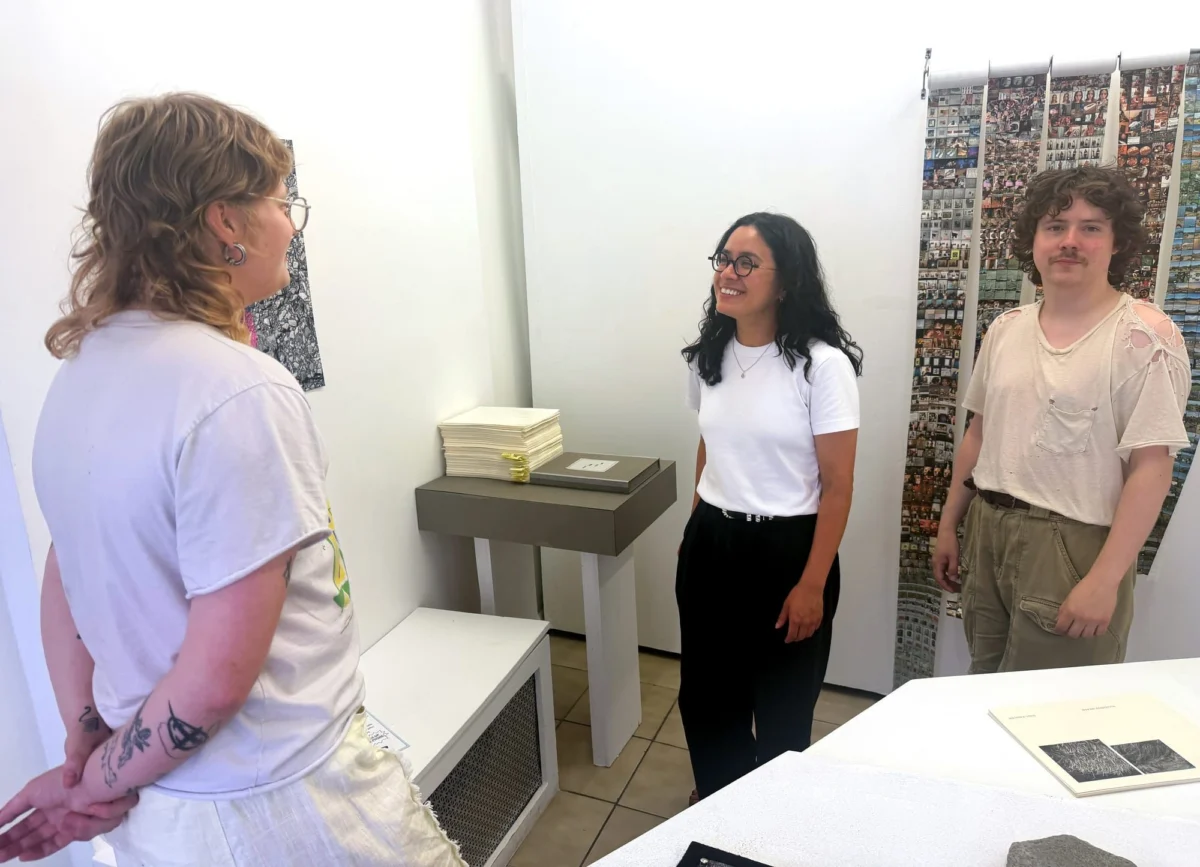
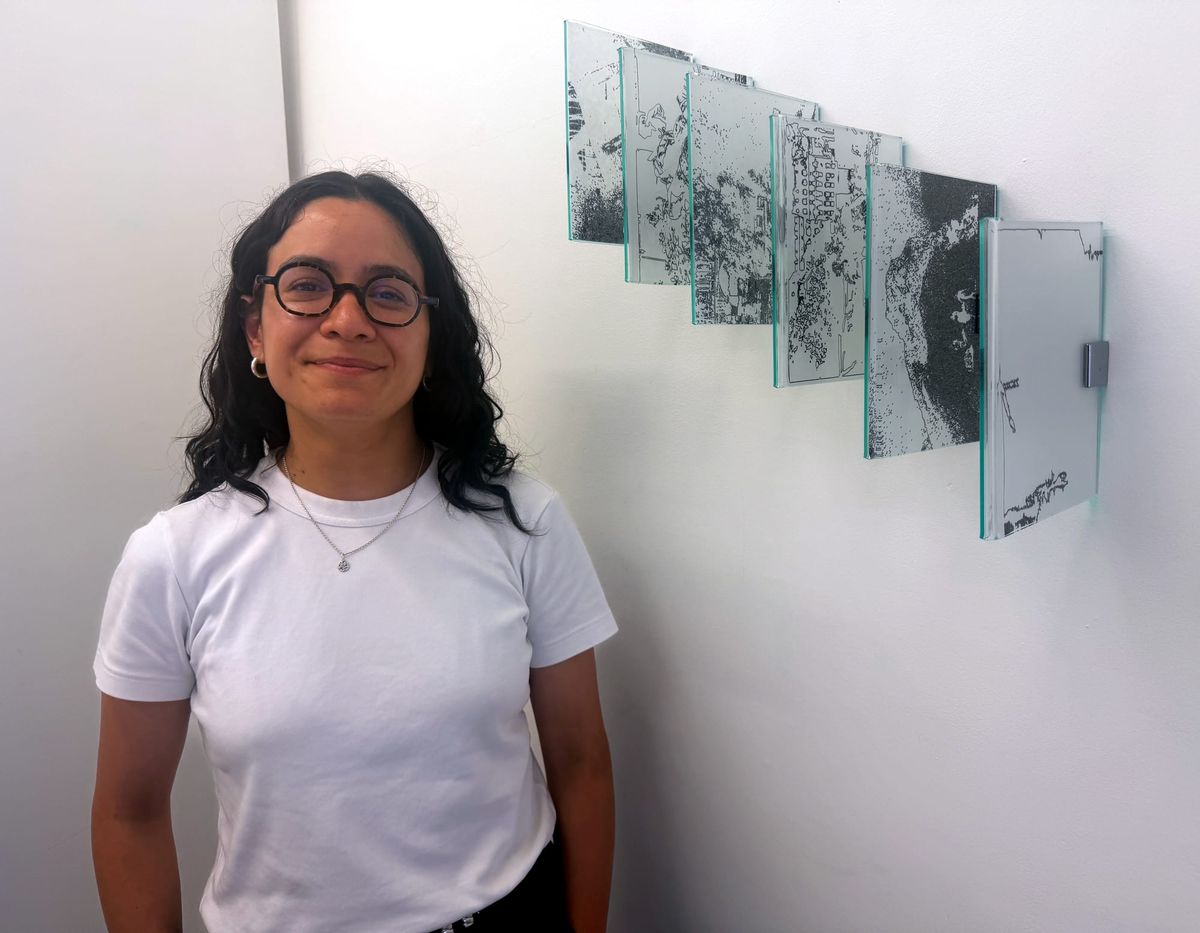
In a recent conversation at Ridgewood’s Sinkhole Gallery, Valdez reflected on the disconnect between the current political establishment and the people they are meant to represent.
"The purpose of our movement is to make sure that anyone can be an artist," Valdez explained. "That everyone has the time off, and the living wages, and the healthcare, and the space to pursue passions."
When asked about her experience with institutional silencing—specifically during the recent campus encampments at Columbia—Valdez drew a sharp contrast between the "cowardice" of established politicians and the "bravery" of students. She noted that while many politicians with significant platforms chose silence, young people risked their visas, housing, and futures to protest.
Valdez dismisses the notion that she is a "politician" in the traditional sense. "I was asked to do this," she said, framing her run as a collective act of service rather than individual ambition. "I don’t do things by myself. If I go to Congress, the most important thing for me would be staying connected to the movements that won me this seat."
Implications for the Future of Representation
The implications of a Valdez victory would be profound. It would signal that the "artist-worker" coalition is no longer an outlier in New York politics, but a potent voting bloc capable of shifting the needle on federal legislation.
Furthermore, her focus on commercial rent stabilization and direct funding for the arts suggests a shift in how the federal government might view culture: not as a luxury investment, but as a critical component of human development that requires state protection.
However, the path forward is fraught with obstacles. Should she reach Congress, Valdez will face the daunting task of maintaining her grassroots integrity within a legislative body designed to dilute radical agendas. Her self-described "faith"—not in religion, but in the power of the working class—will be tested against the pragmatism and institutional inertia of Washington, D.C.
For now, the focus remains on the primary. As she canvasses the neighborhoods of Queens and Brooklyn, Valdez continues to position herself as a candidate who is "holding a piece" of a much larger struggle. Whether she can translate that movement-based energy into a seat in the U.S. House of Representatives remains the city’s most compelling political question of the year. If she succeeds, it will not merely be a victory for her campaign, but a validation of the idea that the people who shape our culture—the painters, the writers, the gig workers—have a rightful place in the room where decisions are made.
 Basiran
 Muslim
 Evan Lee Salim
