

By Lakshmi Rivera Amin
Associate Editor
Main Facts
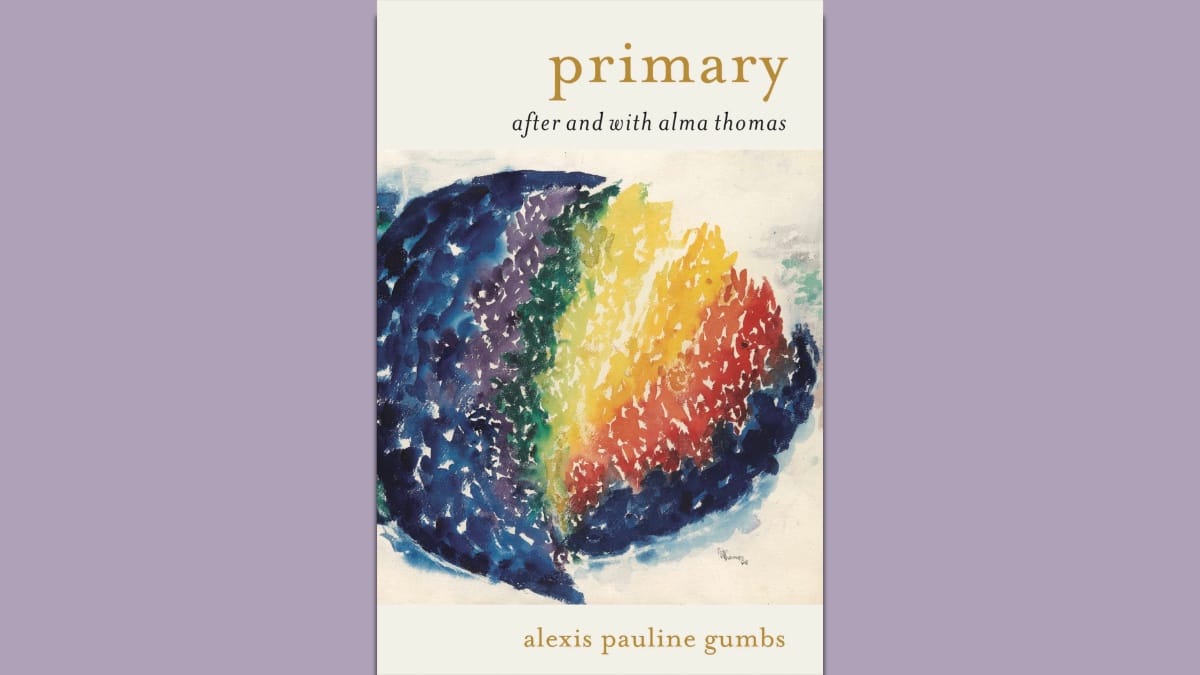
The intersection of Black feminist theory, visual art, and contemporary literature takes center stage in the latest cultural releases reviewed by the editorial desk. At the heart of this literary wave is poet and scholar Alexis Pauline Gumbs’s new book, Primary: After and With Alma Thomas, which reimagines the iconic abstract color fields of the late artist Alma Thomas through the rich metaphors of braids, heirloom corn, and historical root systems.
Simultaneously, the cultural conversation expands with the release of Sophie Lewis’s Femmephilia: Love Letters to Trans Mermaids, Queer Mothers, and Marilyn Monroe, a provocative exploration of femme aesthetics and its contested place within contemporary feminist politics. Reviewed by critic Eileen G’Sell, Lewis’s work confronts the historical rejection and ridicule of hyper-femininity.
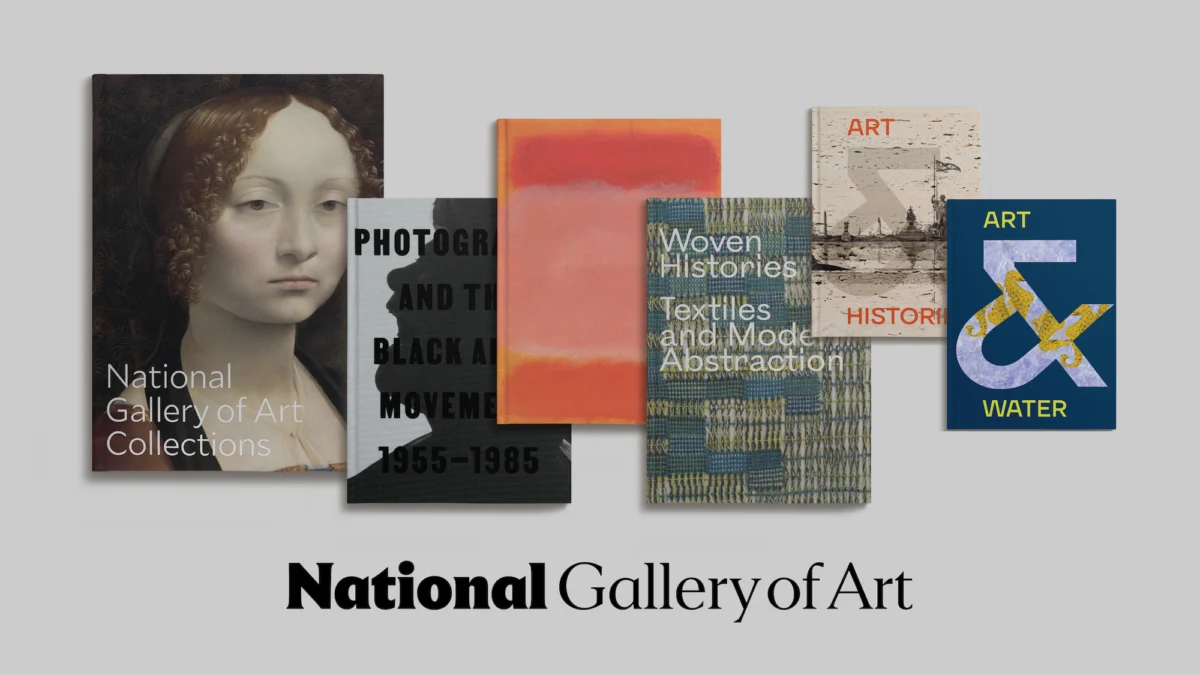
Further enriching this season’s literary landscape are critical reflections on Dana Mashoian Walrath’s The Book of Genocides, curated insights from the National Gallery of Art, and localized community developments such as Brooklyn’s introduction of its very first craft supply library. Together, these titles and initiatives form a vibrant tapestry of resistance, community care, and creative expression.

Chronology of the Movement
To understand the profound weight of Alexis Pauline Gumbs’s current work on Alma Thomas, one must trace the developmental trajectory of Gumbs’s scholarship alongside the historical and artistic timeline of Thomas herself:
- 1891–1978 (The Life of Alma Thomas): Alma Thomas lives and works primarily in Washington, DC, developing a revolutionary, mosaic-like abstract style late in life. Influenced by her garden and local surroundings, her vibrant color fields become canonical contributions to American modernism.
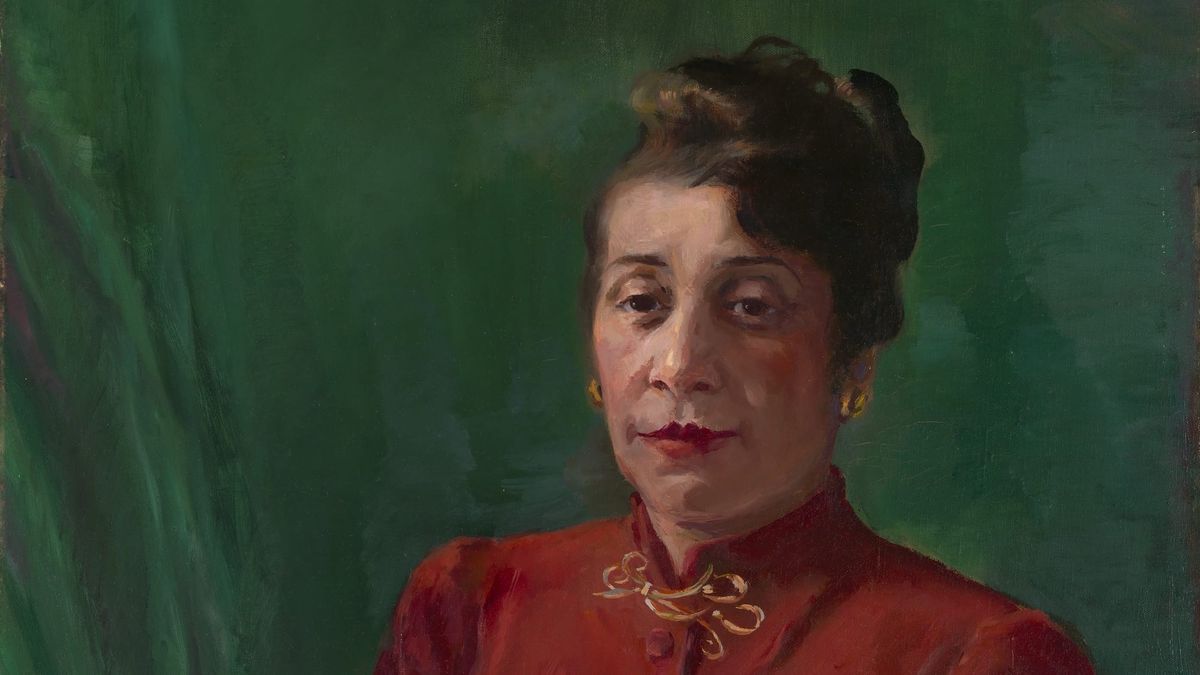
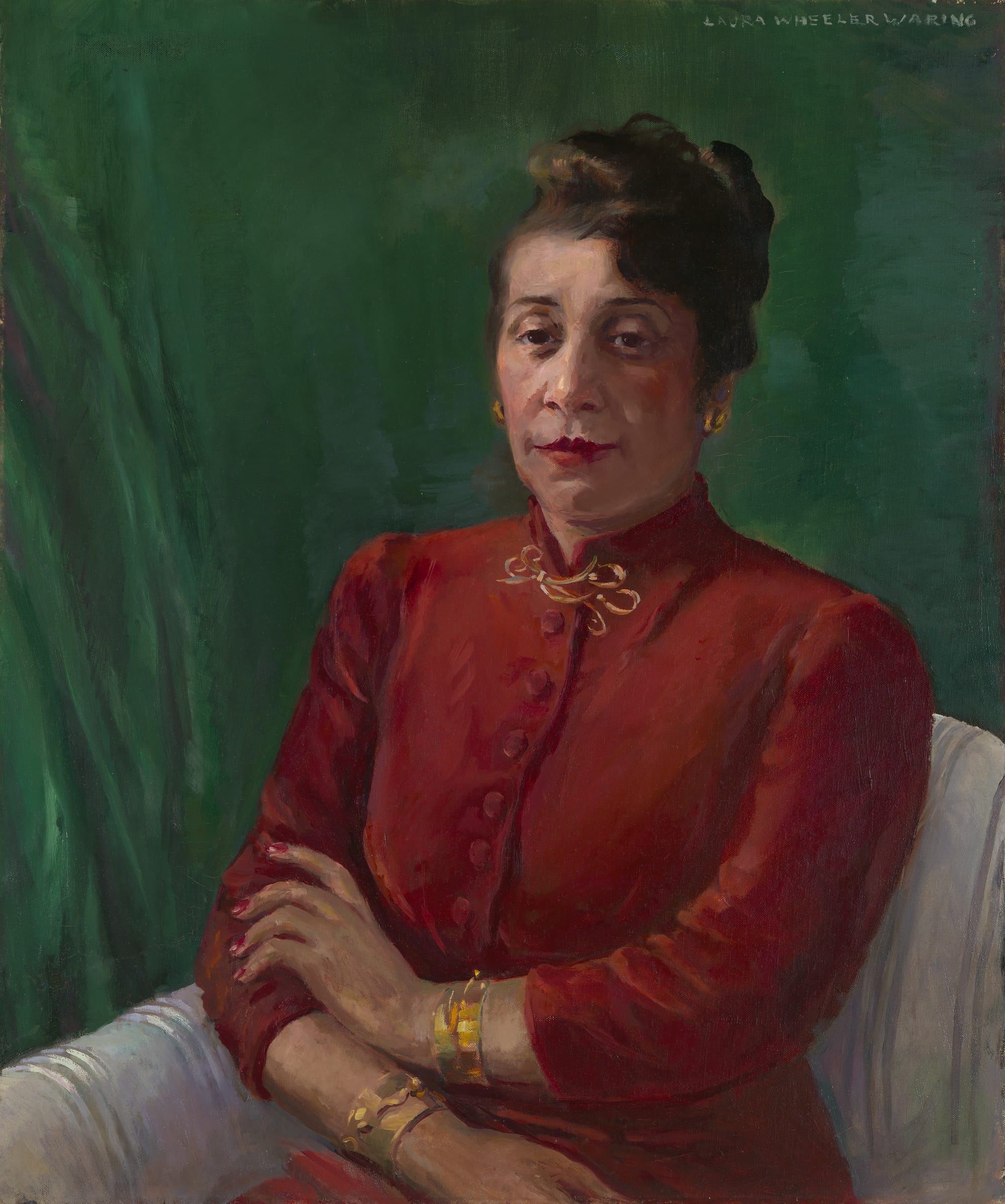
- 1947: Laura Wheeler Waring paints her seminal Portrait of a Lady, capturing the dignity and intellect of Alma Thomas—an image that now serves as a touchstone in the Smithsonian American Art Museum.
- 2020s (The Rise of Undrowned): Alexis Pauline Gumbs publishes Undrowned: Black Feminist Lessons from Marine Mammals. The book stuns readers with its uncanny ability to synthesize marine biology with Black feminist thought, establishing Gumbs as a visionary voice in environmental and cultural criticism.
- Present Day: Gumbs releases Primary: After and With Alma Thomas. Drawing on the foundational scholarship of historian Richard J. Powell, Gumbs bridges poetry and biography, reframing Thomas’s painted strokes as "color fields as cornrows."
- Simultaneous 2026 Releases: Sophie Lewis publishes Femmephilia, prompting a re-evaluation of glamour, authenticity, and adornment in feminist discourse, while institutions like the National Gallery of Art and local community spaces rollout new scholarly and public resources.
Supporting Data and Thematic Analysis
The core of Gumbs’s argument in Primary relies on a deep-seated connection between visual rhythm and cultural heritage. By examining how Thomas’s abstract strokes mirror the geometry of cornrows and the varied hues of heirloom corn, Gumbs highlights what she terms "the art of sistering."
Key Thematic Pillars
| Book / Initiative | Author / Creator | Core Theme | Cultural Significance |
|---|---|---|---|
| Primary: After and With Alma Thomas | Alexis Pauline Gumbs | Black diasporic visual culture, abstraction, hair politics. | Reinterprets mid-century abstract expressionism through a lens of ancestral continuity and Black feminist care. |
| Femmephilia | Sophie Lewis | Femme aesthetics, trans liberation, erotic power. | Reclaims hyper-femininity from patriarchal and restrictive feminist dismissals, celebrating marginalized expressions of gender. |
| The Book of Genocides | Dana Mashoian Walrath | Historical trauma, memory, narrative survival. | Offers a candid, reflective examination of systemic violence and collective healing. |
| National Gallery of Art Initiatives | Various Scholars & Conservators | Art historical scholarship, open access preservation. | Bridges institutional archives with public engagement through thoughtfully curated exhibition catalogs. |
Critical Perspectives and Official Responses
Mainstream criticism has historically struggled to apply tenderness and localized cultural contexts to abstract artists, often defaulting to formalist interpretations that strip away identity. Gumbs’s work actively counters this tradition.
When Gumbs looks at Thomas’s canvases, she refuses to divorce the bright, rhythmic dabs of paint from the socio-political and somatic experiences of a Black woman artist moving through the 20th century. Instead, she locates freedom in the structured precision of a braid and the organic abundance of a garden.
Similarly, Sophie Lewis’s Femmephilia has drawn passionate responses from critics like Eileen G’Sell. For decades, traditional feminist theory has occasionally viewed femininity as a compromised position—a performance enacted entirely for the male gaze. Lewis upends this anxiety, arguing that femme aesthetics, particularly when embodied by trans mermaids, queer mothers, and iconic figures like Marilyn Monroe, possess an assertive, erotic, and revolutionary power.
Broader Implications for Art, Literature, and Community
The convergence of these literary works points to a larger shift in how cultural institutions and independent thinkers approach history and community building.
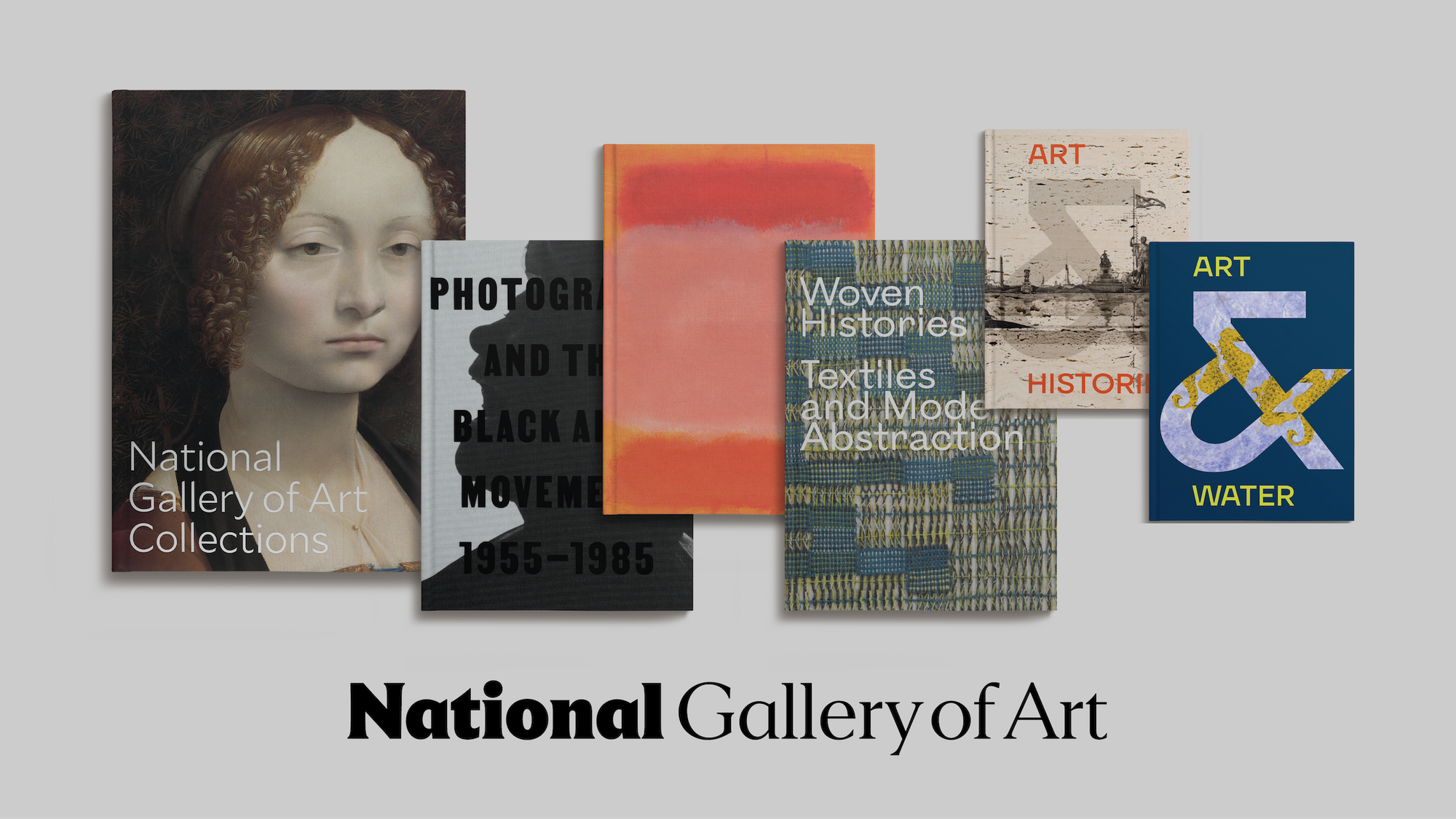
- Redefining Archival Spaces: Whether through Gumbs re-reading an abstract painter through the lens of ancestral hair care, or the National Gallery of Art releasing new scholarship that opens up museum collections to the public, there is a collective demand to democratize and humanize art history.
- The Rise of Practical Community Infrastructure: On a local level, initiatives like Brooklyn’s first craft supply library—featured prominently in recent regional reports—demonstrate that the impulse to create, share, and sustain artistic practice is expanding beyond elite galleries and finding roots in public libraries.
- Intersectionality in Daily Reading: Editorial roundups this season—from Noah Fischer’s reflections on trauma and survival in Dana Mashoian Walrath’s work to the myriad titles filling subway commutes—suggest that contemporary readers are hungry for texts that do not shy away from complexity. Readers are actively seeking out books that weave together personal vulnerability, political urgency, and aesthetic innovation.
As autumn reading lists fill up and new exhibition catalogs hit the shelves, the overarching message from critics and creators alike is clear: our cultural monuments, our artistic histories, and our daily expressions of identity are far more interconnected than traditional academic silos have led us to believe. Through tender critiques, poetic biographies, and passionate love letters to marginalized aesthetics, contemporary writers are successfully opening up our crowns and reframing the way we see the world.
 Muslim
 Evan Lee Salim
 Jia Lissa
