

By [Your Name/Journalist Name]
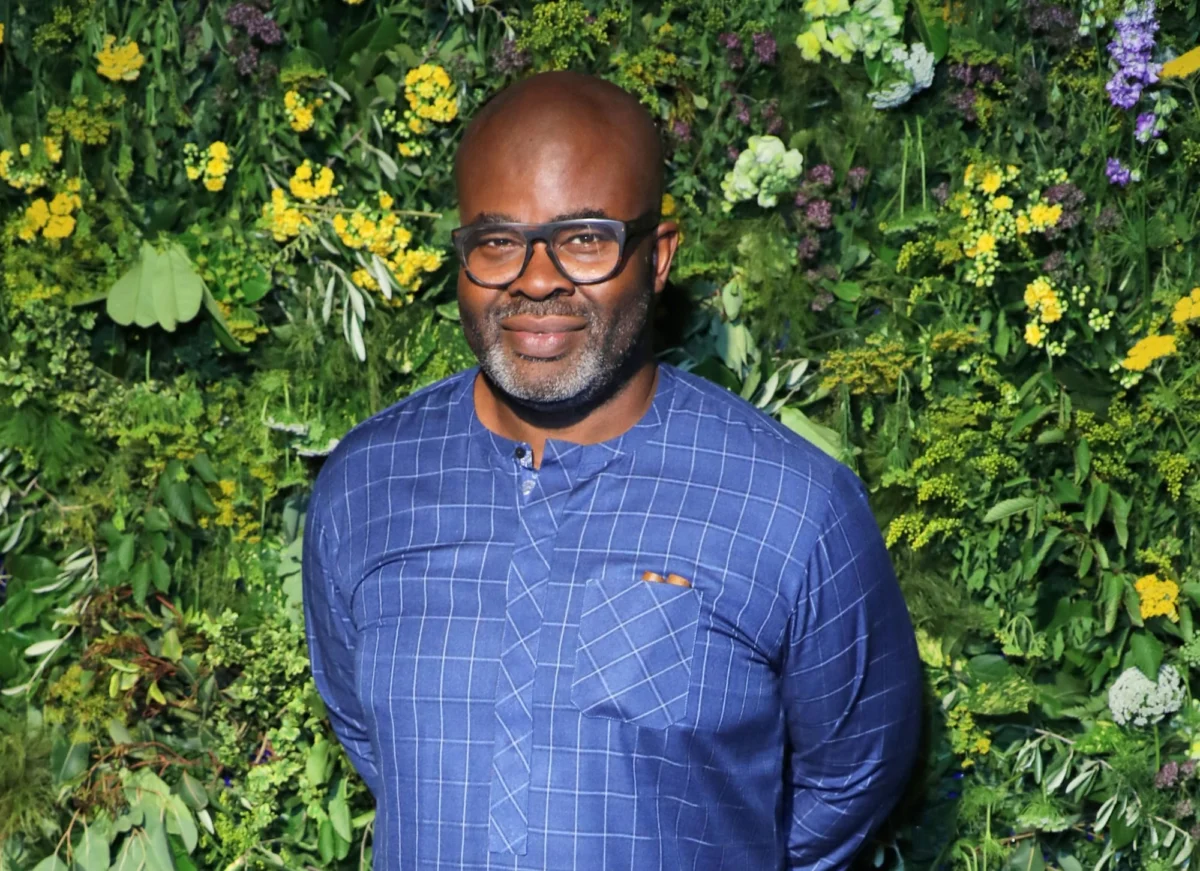
Misan Harriman, the acclaimed photographer, activist, and chair of London’s Southbank Centre, has officially announced his departure from the prestigious arts institution. His exit comes following a tumultuous period defined by a high-profile media firestorm, in which right-wing tabloid outlets accused him of antisemitism. While his departure has been framed by some as a capitulation to external pressure, Harriman insists that his decision to step down was made long before the recent controversy, citing the completion of his tenure as the primary driver for his exit.
The Announcement and Context
In a video statement shared via Instagram, Harriman addressed the public regarding his future, clarifying that his decision to step down was part of a pre-planned departure. "It’s semi-public knowledge that my term is coming to an end anyway, my actual term," Harriman stated. "I had decided way before this madness that I was going to do two terms."
Harriman, a Nigerian-born photographer who made history in September 2020 as the first Black photographer to capture a cover for British Vogue, has served as the chair of the Southbank Centre since 2021. His tenure has been marked by a commitment to diversifying the arts and addressing systemic inequalities, a mission that has frequently placed him at the center of the UK’s volatile "culture wars."
A spokesperson for the Southbank Centre confirmed to Hyperallergic that the organization is currently in the midst of succession planning, with further details expected to be finalized following the annual general meeting in July. Harriman will remain in his role until this autumn.
A Chronology of the Controversy
The events leading to the current outcry began in late April 2024, following a violent "terrorist" incident in Golders Green, a predominantly Jewish neighborhood in North London. During the attack, two Jewish men were stabbed by an assailant identified as Essa Suleiman. Reports later surfaced that Suleiman had also allegedly stabbed his friend, Ishmail Hussein, hours before the incident in Golders Green.
The controversy surrounding Harriman erupted when he utilized his social media platforms to comment on the incident. Specifically, Harriman questioned the media’s lack of focus on the third victim, Ishmail Hussein, who is reportedly Muslim. This commentary prompted a fierce backlash from several right-wing British tabloids, most notably The Telegraph, which accused Harriman of promoting "conspiracy theories" and attempting to downplay the antisemitic nature of the attack on the two Jewish men.
Tensions escalated further when the media turned its attention to a separate video post by Harriman. In the video, he discussed the success of the right-wing Reform Party in local elections, punctuating his analysis with a quote from Jewish-American cultural critic Susan Sontag, originally written in the context of the Holocaust. Right-wing commentators seized upon the quote, accusing Harriman of drawing an inflammatory and antisemitic comparison between the contemporary populist party and the Nazis.
This cycle of reporting led to a deluge of over 20 articles across various outlets, which Harriman claims directly resulted in threats to his personal safety.
The Scale of Public Resistance
The media campaign against Harriman has been met with an unprecedented level of public and institutional pushback. In a historic move, more than 100,000 formal complaints were filed with the United Kingdom’s Independent Press Standards Organisation (IPSO) regarding the conduct of the tabloids involved in the coverage. This total represents the highest number of complaints ever recorded against British newspapers in history.
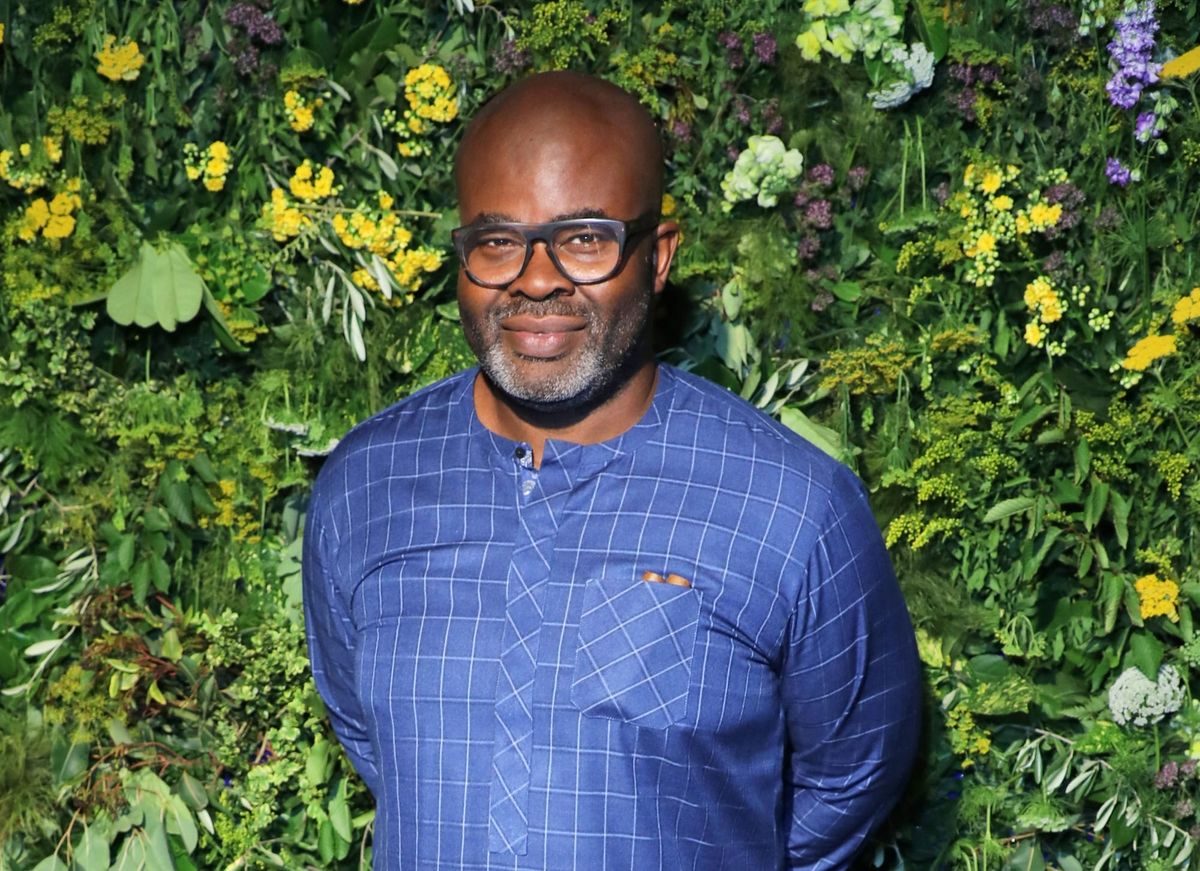
Beyond individual complaints, a broad coalition of activists, artists, and public figures mobilized to support the photographer. The Good Law Project, a prominent UK legal advocacy group, organized a "handraiser" petition that garnered over 33,000 signatures. The petition serves as a formal condemnation of the treatment Harriman received, labeling the media coverage a "smear campaign" aimed at "traducing and marginalizing" a prominent voice in the arts.
Notable signatories to the letter included environmental activist Greta Thunberg, musician Brian Eno, and Irish singer-songwriter Hozier. These figures argued that the media’s focus was not on genuine investigative journalism, but on a concerted effort to silence a Black leader who has consistently advocated for social justice causes, including LGBTQ+ rights, transgender protections, and the rights of Ukrainians during the ongoing war.
Official Responses and Internal Dynamics
The Southbank Centre has maintained a measured stance throughout the ordeal. While they confirmed the departure, they have remained focused on the logistical aspects of leadership transition. Internally, the situation has created a complex environment for the board of governors, who must navigate the fine line between defending their chair against external attacks and maintaining the institution’s neutrality in a polarized political climate.
In a May interview with Hyperallergic, Harriman provided a candid perspective on the forces at play. "I’ve organized for Black Lives Matter, championed women’s rights, LGBTQ+ rights, transgender protections, and for the Ukrainians during the war, and no one has had a problem until I started speaking out against Israel’s genocide in Palestine," he asserted.
Harriman’s supporters argue that the intensity of the media reaction is inextricably linked to his stance on the conflict in Gaza. By framing his comments on the Golders Green attack through the lens of intersectionality, his critics argue he minimized antisemitism; however, his defenders maintain that he was simply calling for a more nuanced and inclusive view of violence and victimhood.
Broader Implications for the UK Arts Sector
The departure of Misan Harriman from the Southbank Centre marks a significant moment for cultural leadership in the United Kingdom. The incident highlights several critical issues:
- The Weaponization of the Press: The record-breaking number of complaints to IPSO suggests a growing public distrust of tabloid media and a perceived increase in the use of "smear campaigns" to target activists.
- The Limits of Advocacy in Leadership: The case raises questions about how much political latitude arts leaders should have. While institutions often claim to support diversity and inclusion, the Harriman case suggests that when those values collide with mainstream political narratives, the pressure to resign becomes immense.
- The Polarization of Antisemitism Discourse: The debate surrounding Harriman’s comments on the Golders Green attack illustrates the extreme difficulty of navigating discourse on antisemitism and anti-Muslim prejudice in contemporary Britain. The demand for "binary" stances often ignores the complexities of multi-victim violent incidents, leaving leaders like Harriman vulnerable to accusations from both sides of the political spectrum.
As the Southbank Centre prepares for its next chapter, the legacy of Harriman’s tenure will likely be debated for years to come. For his supporters, he remains a courageous figure who refused to be cowed by a press machine he described as "frankly racist." For his detractors, his exit is a necessary correction for an institution that they believe had drifted too far into partisan activism.
"Truth itself is on the line," Harriman told Hyperallergic at the height of the controversy. "Just because these right-wing and frankly racist newspapers scream the loudest, it does not mean it is the truth."
As the dust settles, the arts sector in London faces a sobering reality: the cost of leadership for those from marginalized backgrounds often includes navigating a minefield of public scrutiny that can, regardless of the merits of the individual, force an early exit from the institutions they sought to change.
 Basiran
 Muslim
 Evan Lee Salim
