

In the labyrinthine streets of Brooklyn—where the sharp, metallic tang of the elevated subway lines meets the sweet, humid breath of summer jasmine—a quiet revolution is taking place. It is an olfactory movement, one that has transformed the borough from an industrial landscape into the beating heart of the independent fragrance world. This is not the sterile, mass-market perfume industry of midtown Manhattan; this is raw, unfiltered, and deeply personal. It is a world where scents are distilled from urban contradictions, where the smell of Nag Champa mingles with barbecue smoke, and where the "Brooklyn aesthetic"—gritty, artisanal, and fiercely independent—is bottled for a global audience.
The Genesis of an Olfactory Identity
The inspiration for modern brands like Gamine, which debuted this past April, has been a decade in the making. Founder Melanie Dir, who spent ten years absorbing the unique character of Bedford-Stuyvesant, views her fragrance line as a liquid map of her neighborhood. From the brownstone she shares with her husband, artist Frenel Morris, Dir has channeled the cinematic quality of street life into a brand that defies traditional manufacturing norms.

"Brooklyn shaped the brand’s DNA," Dir explains, surrounded by the high-contrast graphic paintings that fill their Bushwick studio. "It’s real, unfiltered, and impossible to manufacture." For Dir, the borough is defined by its seasonal oscillations. In the spring, her olfactory landscape is a blend of jasmine and fresh greenery cut by the scent of blunts and beer. By late summer, the humidity draws out the heavy, intoxicating aroma of Nag Champa, OG Kush, and hot concrete. "Brooklyn’s ability to embrace contradiction became one of the foundational ideas behind Gamine," she notes.
This tension is palpable in her signature scent, Heroic Dose, which opens with the crisp, clean notes of cypress and marine air, only to collapse into the gritty, earthy complexity of cumin and vetiver bourbon. For Dir, beauty is not about smoothing over the rough edges of life; it is about elevating them to reveal character.

A Chronology of the Brooklyn Scent Movement
To understand the current explosion of Brooklyn-based perfumery, one must look back to the early 2000s, when the borough began its transition into an incubator for self-taught creators.
2007: The Trailblazers Arrive
David Seth Moltz and Kavi Ahuja Moltz launched D.S. & Durga in a Bushwick apartment. At the time, they were part of a creative scene defined by "cosplaying 1880s living"—urban farming and DIY projects were the order of the day. Their success proved that a perfume brand could be built on the back of music, literature, and design rather than focus groups.

2012: The Rise of the Multidisciplinary Artist
Tanaïs, an award-winning author and artist, began their journey into perfumery, eventually forming the eponymous Studio Tanaïs. By this time, the Brooklyn model—raw, industrial spaces used as laboratories—was firmly established. The decade was defined by artists taking inspiration from overlooked details, creating a wave of artisanal, small-batch brands that challenged the status quo.
2015–2020: Commercial Maturity and Ethics
The mid-2010s saw the emergence of brands like Ellis Brooklyn, founded by beauty journalist Bee Shapiro, which brought "clean" fragrance into major retail spaces like Sephora. Simultaneously, brands like Kindred Black began to pivot toward radical sustainability, rejecting the industry’s reliance on plastic and mass-produced packaging in favor of ethical, low-impact business practices.

2021–Present: The Post-Pandemic Bloom
Following the COVID-19 lockdowns, the focus shifted toward experiential retail. Founders like Lindsay Silberman, creator of Hotel Lobby, found inspiration in the hospitality sector, building brands that mimic the sensory experience of iconic hotels. Today, the borough boasts a high-density ecosystem of niche boutiques, pouring classes, and custom scent labs that draw visitors from around the world.
Supporting Data: The "Brooklyn Effect"
The concentration of these creative minds in specific zip codes is no accident. The "Brooklyn Effect" relies on a few key pillars:

- Cross-Pollination of Disciplines: Perfumers in Brooklyn rarely operate in isolation. Dir’s studio, for example, functioned as a hub for painters, graffiti artists, and athletes, all of whom acted as a "creative cabal" to test the olfactory profile of her products.
- Immigrant Narratives: For first- and second-generation immigrants, Brooklyn has provided a space to reclaim heritage ingredients. Tanaïs, for instance, uses materials like mitti attar (the smell of rain on earth) and betel leaf—notes rarely seen in Western perfumery—as a form of revolutionary cultural expression.
- Low-Barrier Infrastructure: From the 500-square-foot spaces in Gowanus to industrial lofts in East Williamsburg, the availability of "raw" spaces allowed founders to experiment without the massive capital investment required by traditional fragrance houses.
Official Perspectives: The Philosophy of the Craft
The industry leaders of Brooklyn share a common rejection of the "Eurocentrism" and "heteronormativity" that have long dominated the fragrance market.
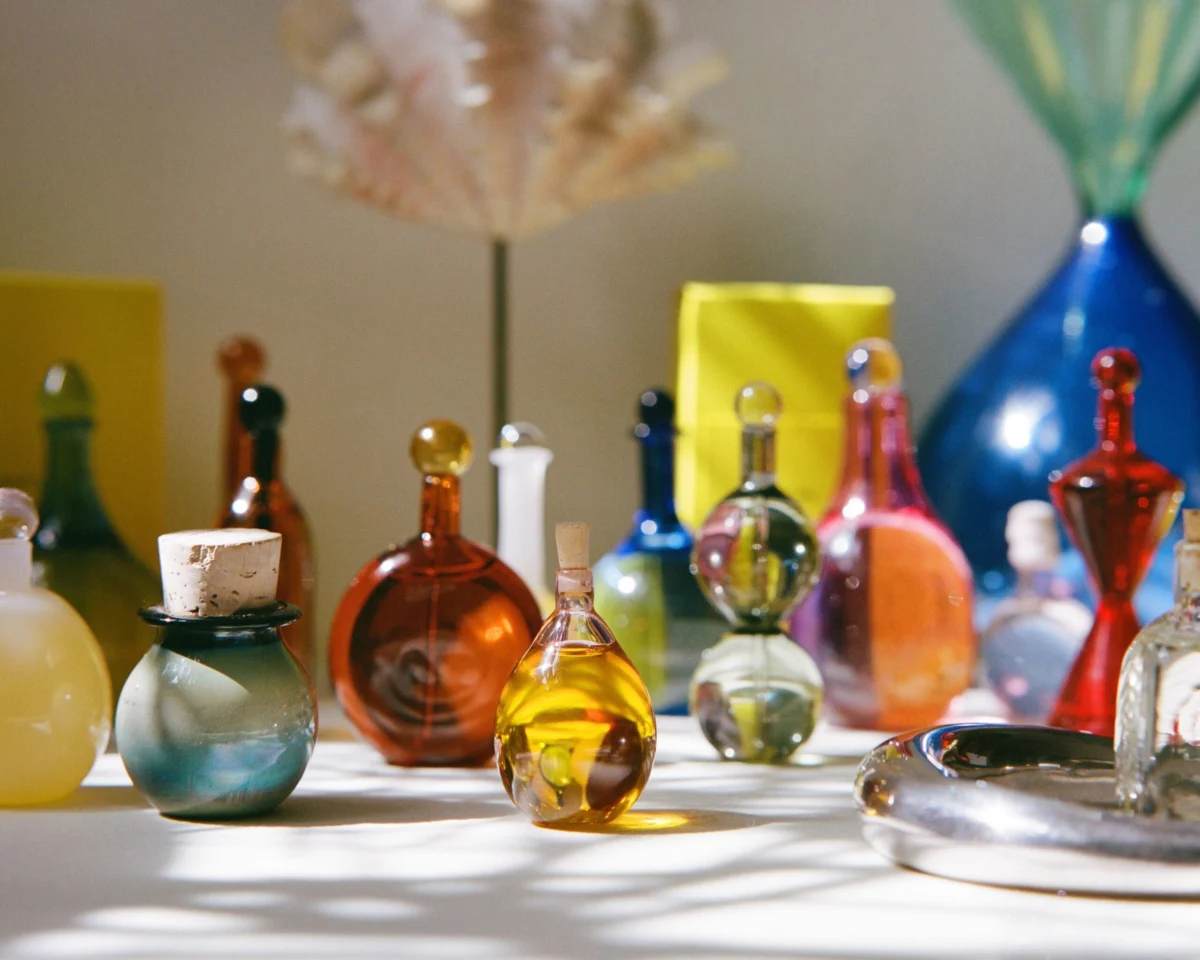
"People want to be connected to the humanity in craft," says Alice Kindred Wells, co-founder of Kindred Black. Her brand’s decision to use unmarked, hand-blown glass flacons—sourced from artisans around the world—is a direct rebuke to the "loud logos" that permeate the luxury market. By refusing to use plastic and opting for soy-based inks, they shift the burden of sustainability away from the consumer and onto the producer.

This sentiment is echoed by Ingrid Nilsen and Erica Anderson of The New Savant. Based in Gowanus, their brand focuses on sensory experiences that evoke everything from "steamed jasmine rice" to "rubber erasers." They aren’t just selling a scent; they are selling a perspective, proving that candles and perfumes can be a medium for modern, inclusive storytelling.
Implications: The Future of Niche Fragrance
The growth of this scene has profound implications for the global fragrance industry. First, it has successfully shifted the "power" of the nose. Perfumery is no longer the sole domain of large, traditional houses in Grasse, France. It is now a skill that can be acquired, honed, and refined in a small Brooklyn apartment.

Second, the success of these brands has forced a change in consumer expectations. Customers now demand transparency regarding sourcing, the ethics of the ingredients, and the personal story behind the bottle. The "sillage"—the scent trail left behind—is no longer just a luxury accessory; it is an extension of the wearer’s identity and values.
Finally, the physical footprint of these brands is evolving. As seen with institutions like Stéle in Williamsburg, the "high temple" of niche perfumery is replacing the department store counter. These spaces, designed by stone masons and curated by enthusiasts, offer an immersive retail experience that a digital-first world cannot replicate.

A Guide to the Brooklyn Fragrance Trail
For those looking to experience this olfactory evolution firsthand, the borough offers several essential stops:
- Stéle (Williamsburg): A sanctuary for those seeking rare, undiscovered names. Its custom fixtures, designed by a professional stone mason, provide a stunning backdrop for brands like Gabar and Neanderthal.
- Scent Bar (Williamsburg): The Brooklyn outpost of the legendary Luckyscent. This is the ideal starting point for those new to niche perfumery, offering a mix of heavy hitters like Creed and Amouage alongside local favorites.
- Olfactory NYC (Williamsburg): An interactive laboratory where visitors can "play perfumer," layering accords to create a bespoke scent that is then bottled and labeled on-site.
- Apotheke (Red Hook): A destination for hands-on learning. Their candle-pouring classes allow guests to select from over 50 oils, providing a deep dive into the technical side of home fragrance.
As the sun sets over the Brooklyn Navy Yard, and the F-train rumbles overhead in Gowanus, the air remains thick with the scent of a thousand different experiments. The borough has proven that perfume is not just a commercial product; it is a living, breathing art form—one that, much like Brooklyn itself, remains impossible to replicate and forever in the process of becoming.
 Asro
Asro
 Siti Muinah
