


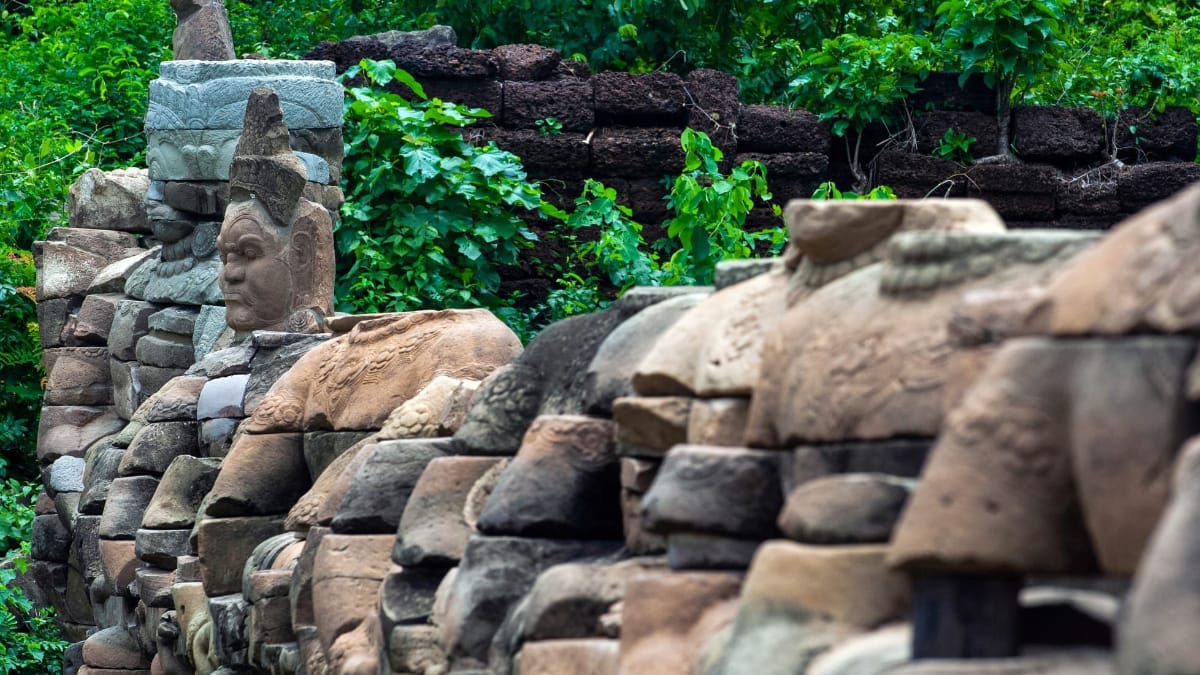
In the high-stakes world of international art dealing, few names carry as much notoriety as Douglas Latchford. For four decades, the British-born antiquities dealer operated in the shadows, funneling thousands of priceless sculptures of Cambodian deities from the jungles of Southeast Asia into the polished, climate-controlled halls of Western institutions.
Matthew Campbell’s new book, The Man Who Stole the Gods, serves as a damning investigation into this illicit pipeline. By peeling back the layers of Latchford’s career, Campbell provides more than just a biography of a smuggler; he offers a harrowing look at how the global art market has historically turned a blind eye to the violent origins of the treasures it covets.
A Chronology of Plunder
The illicit trade of Khmer antiquities did not happen in a vacuum. It was the product of systemic instability, colonial-era remnants, and a ravenous appetite for "exotic" artifacts in the West.

- The 1970s (The Genesis): Amidst the chaos of the Cambodian Civil War and the subsequent rise of the Khmer Rouge, rural sites were left vulnerable. Latchford began his operations during this period, capitalizing on the collapse of regional authority to source artifacts that were purportedly "rescued" from destruction.
- The 1980s–1990s (The Golden Era of Smuggling): Latchford refined his network, utilizing a complex web of forged provenance documents. During this time, he became a "trusted" supplier to prestigious museums, including the Metropolitan Museum of Art in New York.
- 2010–2012 (The Crackdown Begins): Growing international scrutiny, spearheaded by art crime scholars like Erin L. Thompson, began to reveal the gaps in Latchford’s documentation. Several pieces were flagged as stolen, leading to initial repatriations.
- 2019–2020 (The Prosecution and Legacy): The US Department of Justice filed formal charges against Latchford for wire fraud and smuggling. Shortly thereafter, his family pledged to return over 100 artifacts to Cambodia, a massive, albeit belated, acknowledgement of the scale of his illicit enterprise.
The Scholar’s Lens: An Interview with Matthew Campbell
Art crime scholar Erin L. Thompson recently sat down with Campbell to discuss the profound ethical complexities of his research. A central theme of their conversation is the "violence inherent to the object."
"When we look at a 10th-century deity in a museum, we are often seeing a shell," Campbell noted during the discussion. "The theft of these objects wasn’t just a financial transaction; it was a physical extraction. It involved the hacking of statues from temples, the destruction of sacred spaces, and the erasure of local history."
Writing about Latchford presented a formidable challenge for Campbell. How does one humanize a figure whose legacy is built on the systematic stripping of a nation’s soul? The answer, Campbell suggests, lies in the terrifying normalcy of the trade. Latchford was not a masked thief in the night; he was a guest at gala dinners, a benefactor of institutions, and a man who understood the bureaucratic loopholes that allowed stolen goods to be laundered into legitimacy.
Supporting Data: The Scale of the Trade
The extent of the Khmer looting is difficult to quantify, but the data that has surfaced in recent years is staggering.
- The "Latchford Collection": Estimated to contain over 100 major pieces, the repatriation efforts following his death have highlighted that these were not just isolated "finds" but part of a coordinated export scheme.
- Market Valuation: At the peak of the market, Khmer antiquities could command prices in the millions of dollars. The illicit nature of the objects inflated their value, as collectors paid a premium for the "rarity" that came with the stolen goods.
- Institutional Presence: Investigations have identified over a dozen major museums across the United States and Europe that housed artifacts linked directly to Latchford’s supply chain.
Official Responses and Institutional Reckoning
The revelation of Latchford’s activities forced a period of intense soul-searching among the world’s most prestigious cultural institutions. The Metropolitan Museum of Art, among others, has since faced mounting pressure to conduct deeper provenance research.
"The museum world is changing," says Thompson. "There is a shift from ‘finders keepers’ to a model of stewardship that recognizes the sovereignty of source nations." However, critics argue that the pace of repatriation remains glacial. While museums are quick to issue press releases about "cooperation," the bureaucratic hurdles placed in front of Cambodia—and other nations seeking the return of their heritage—remain significant.

Implications for the Future of Art
The legacy of the Latchford era is not merely a matter of historical record; it is a catalyst for current art market reform.
The Studio as a Sanctuary: William Kentridge
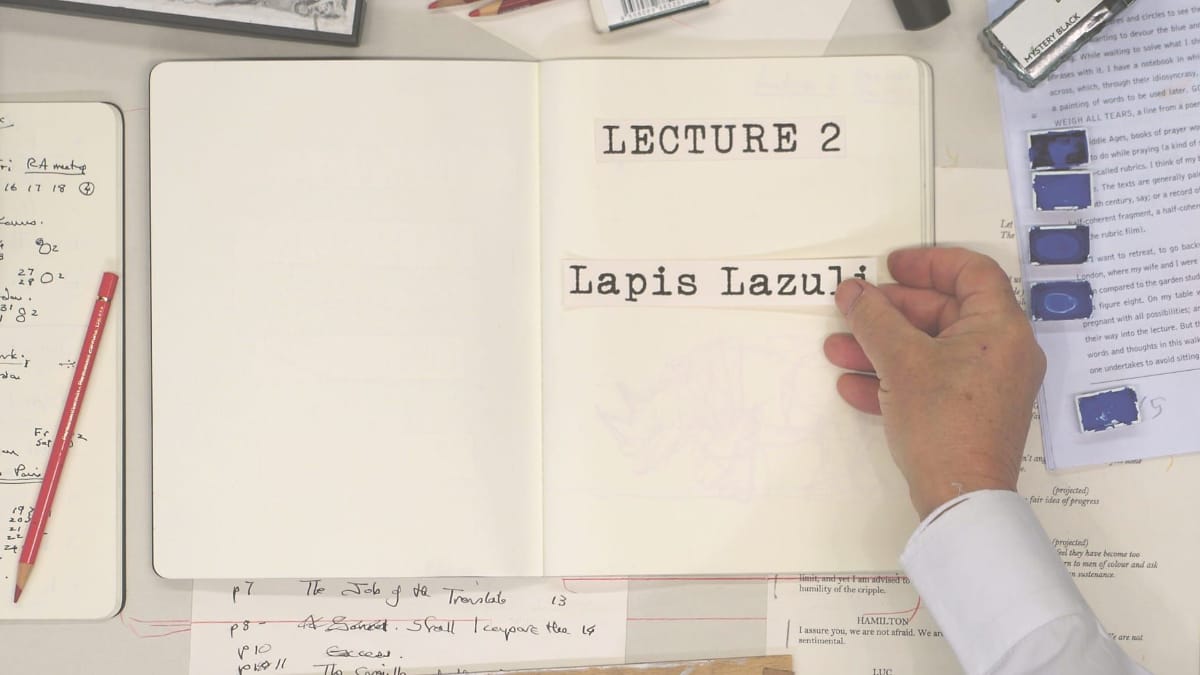
In a refreshing pivot, this week’s newsletter also highlights the creative process of artist William Kentridge. In his new book, Kentridge argues that "the studio is a safe space for stupidity"—a place where the rigid rules of the art market vanish.
This juxtaposition is instructive. While the market for antiquities is defined by greed, secrecy, and the commodification of history, the studio, for an artist like Kentridge, is a space for "meandering." It highlights a fundamental truth: art is meant to be a process of discovery, not a trophy to be hung on a wall to signal status.
Kentridge’s musings on the weight of words—"if words are so light, so ephemeral, how does one tie them down?"—serve as a poignant counterpoint to the heavy, physical theft of Cambodian deities. While Latchford tried to tie down history by stealing it, true cultural preservation is about keeping the spirit of the work alive and accessible to the people from whom it originated.
Beyond the Latchford Case
As we look at the current landscape of art collecting, several trends are emerging:
- Increased Transparency: Demand for "clean" provenance is now the baseline for any reputable auction house or gallery.
- Digital Documentation: Advances in forensic imaging and blockchain are being explored as ways to track the movement of antiquities from site to sale.
- Community-Led Repatriation: The focus has shifted from national government-to-government negotiations to including local communities and historians who understand the cultural significance of the stolen objects.
Conclusion
The story of Douglas Latchford is a cautionary tale about the intersection of wealth, ego, and the disregard for cultural heritage. As Matthew Campbell’s book makes clear, the "gods" were not merely stolen; they were silenced.

As the art world continues to grapple with its colonial baggage, the path forward must be paved with accountability. Whether through the honest reflection found in William Kentridge’s studio practice or the rigorous, often uncomfortable investigations of scholars like Erin L. Thompson, the goal remains the same: to restore the dignity of the objects that have been treated as mere assets for far too long.
For those interested in the broader scope of these issues, this summer brings a wealth of literature—from studies on the emotional connection between humans and art, to critical examinations of the civil rights movement captured through the lens of photography. In reading these works, we do not just consume information; we engage in the necessary work of dismantling the structures that allow the past to be stolen from the present.
 Muslim
 Evan Lee Salim
 Jia Lissa
