

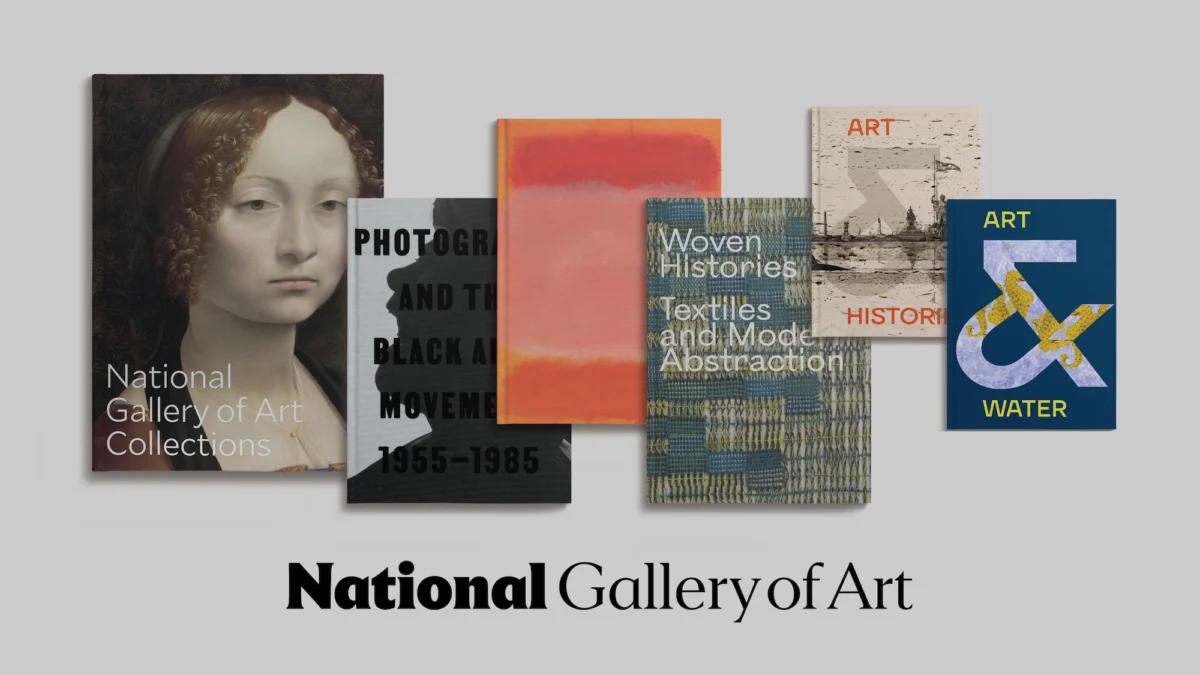
As the cultural landscape continues to navigate sweeping legislative efforts to control educational curricula, the intersection of art, literature, and political resistance has never been more vital. During Banned Books Week, literary and art institutions alike find themselves grappling with an alarming rise in censorship. Yet, concurrently, vibrant counter-movements—from independent publishers and zine creators at the New York Art Book Fair to deep scholarly excavations of art history—demonstrate that the impulse to create, share, and read freely remains unbroken.
Main Facts: The Escalation of Censorship and the Resilience of Art Books
The modern landscape of literary censorship is defined by unprecedented legislative targeting, particularly in public schools and libraries across the United States. According to tracking data from PEN America, public schools witnessed over 11,900 instances of book banning during a single recent academic year. Of those instances, more than 8,100 occurred in the state of Texas alone.
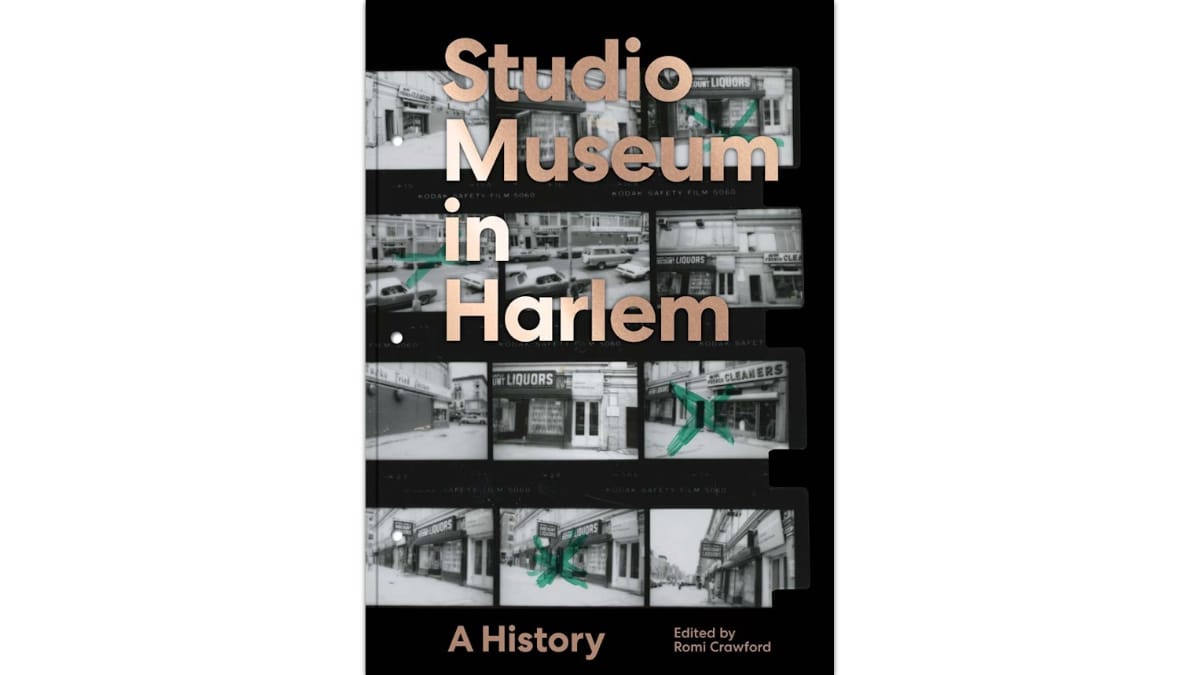
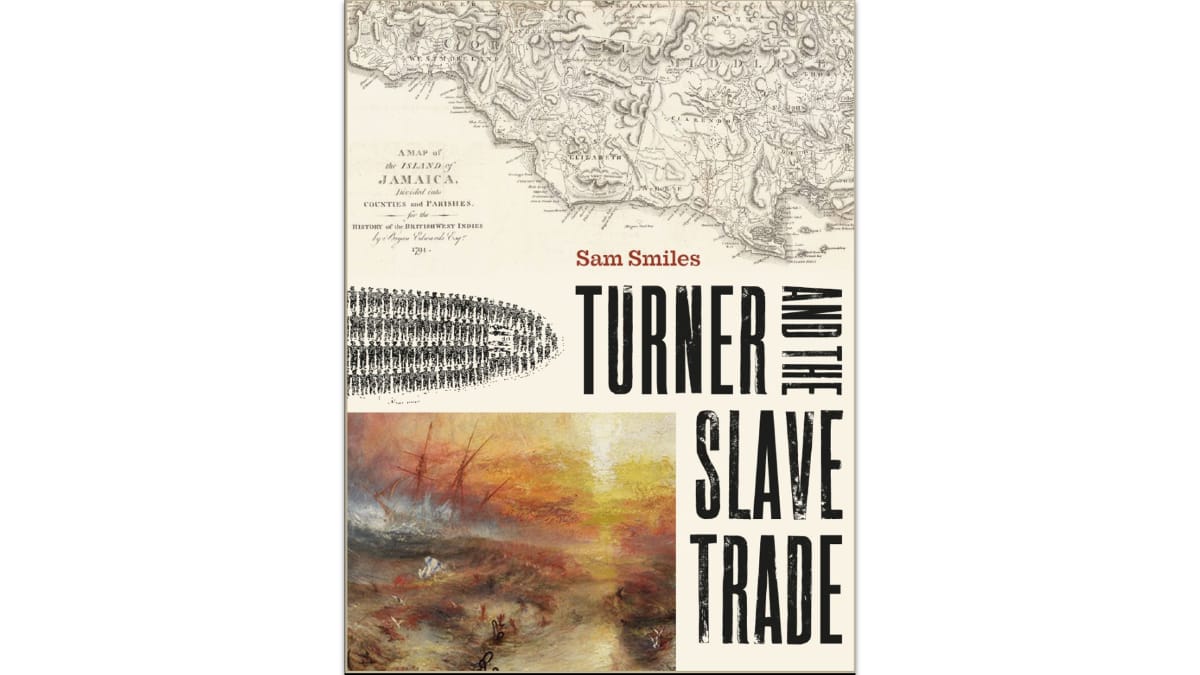
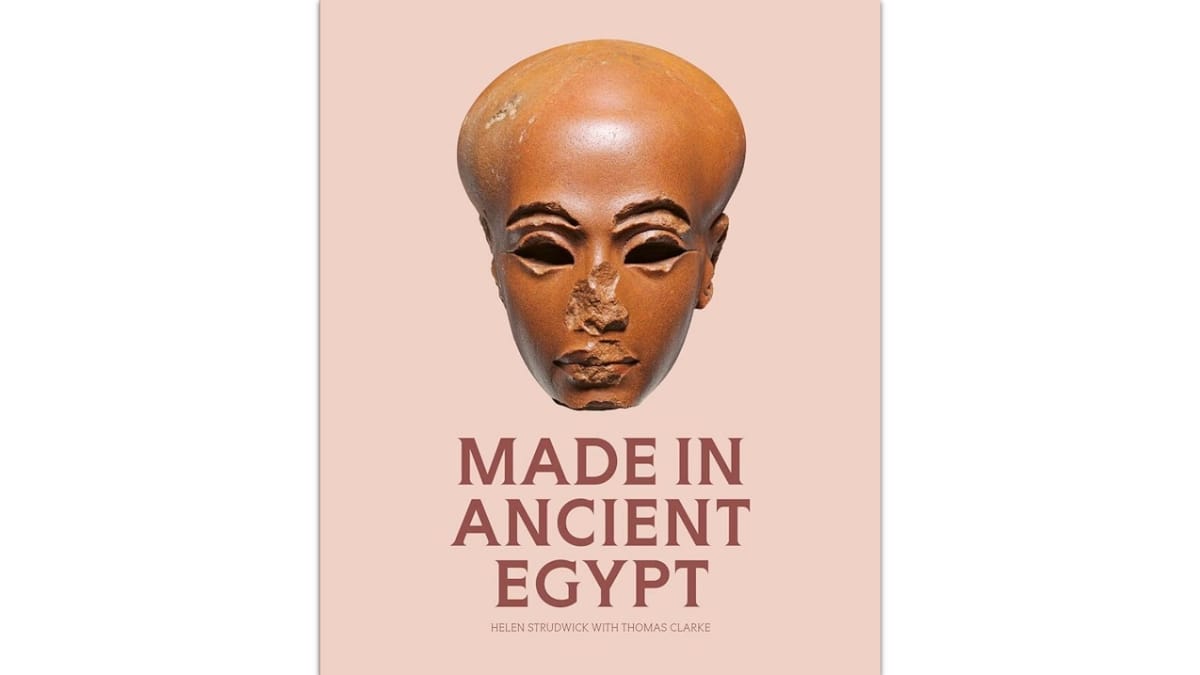
These bans disproportionately target works addressing race, gender, and historical truths. However, parallel to this wave of suppression is a profound renaissance in art publishing and historical critical analysis. New publications are aggressively re-examining canonical art history through frameworks of colonial critique and labor history. Notable releases include critical deep-dives into J.M.W. Turner’s ties to the transatlantic slave trade and explorations of the unsung craftspeople who built Ancient Egypt. Furthermore, major institutions like The Studio Museum in Harlem are receiving comprehensive historical documentation, ensuring that marginalized cultural narratives remain permanently anchored in the public consciousness.
Chronology: From the Archives of Texas to the 2026 Art Book Fairs
To understand the trajectory of modern literary suppression and resistance, one must trace the continuum of archival records and public events:
- 2003–2004 Academic Year: State education reports in Texas document a rising tide of contested and banned books in public school libraries, signaling early institutional friction over young adult and children’s literature.
- November 2025: Following a significant seven-year hiatus, The Studio Museum in Harlem officially reopens its doors to the public, marking a major milestone for Black contemporary art institutions.
- Late 2025 – Early 2026: PEN America releases updated tracking reports confirming nearly 12,000 instances of school book bans nationwide, cementing Texas as the epicenter of legislative book suppression.
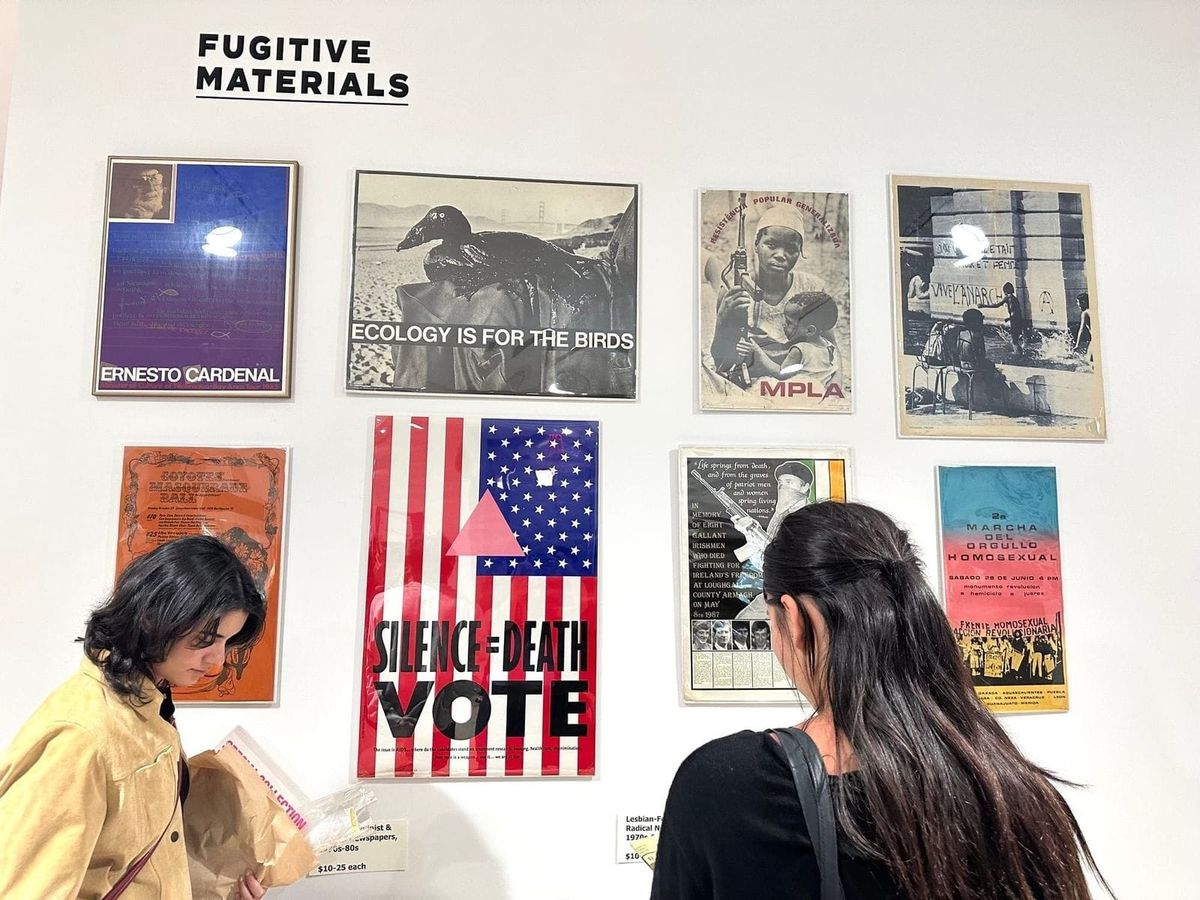
- Fall 2026: The New York Art Book Fair, hosted by Printed Matter, showcases an expansive array of indie publishers, risograph printmakers, and political zinesters (such as Fugitive Materials). Concurrently, Yale University Press prepares the late-October release of The Studio Museum in Harlem: A History, while critics highlight new paradigm-shifting texts on art history, technology, and literature.
Supporting Data: The Scale of Censorship and Reading Habits
Statistical metrics underscore both the severity of contemporary censorship and the shifting habits of modern readers seeking refuge in long-form media:
- 11,900+: The number of recorded instances of book banning in public schools during the measured academic year, as tracked by free-speech advocacy organization PEN America.
- 8,100+: The staggering share of those book-banning instances originating exclusively within the state of Texas.
- 58 Years: The rich institutional history chronicled in the upcoming Yale University Press publication, The Studio Museum in Harlem: A History.
- 4 Decades: The span of public school library service maintained by veteran Texas librarians whose meticulous archives preserve the early history of state-level book challenges.
Official Responses and Advocacy Perspectives
The escalating restrictions on school libraries have provoked fierce pushback from librarians, educators, free-speech advocates, and cultural critics.
Historical librarian advocacy groups have long rallied around the enduring maxim: "Free people read freely." This sentiment forms the ideological core of resistance against contemporary school board policies and state mandates that empower individual objectors to pull titles from circulation without due academic process.
In the realm of cultural institutions, literary critic, historian, and Studio Museum trustee Henry Louis Gates Jr. underscored the universal significance of inclusive art spaces. Writing in the upcoming institutional history of the museum, Gates observed:
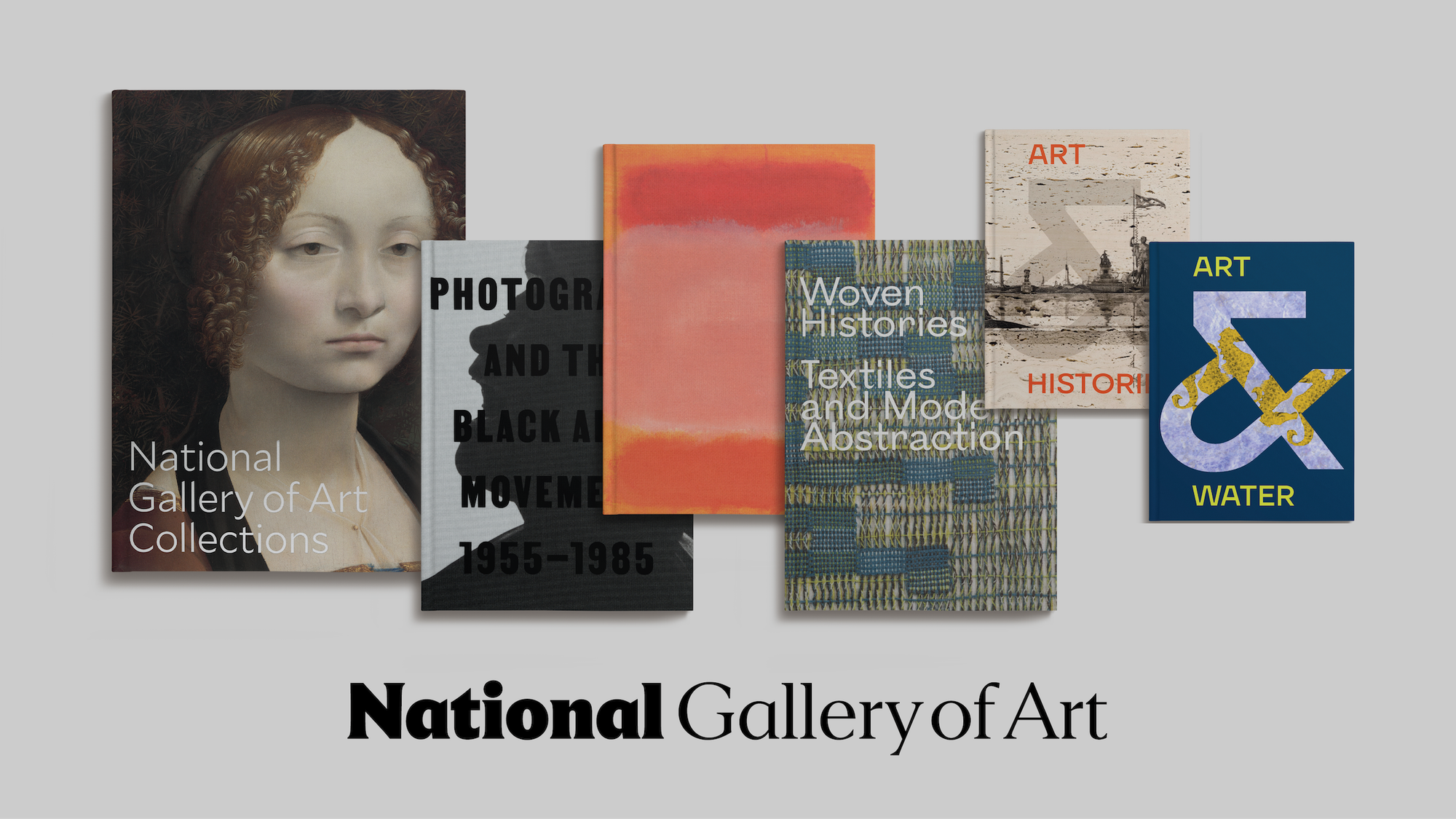
"Just as Harlem is a truly cosmopolitan place, so, too, is the Studio Museum a cosmopolitan place. It’s not the home of Black art for Black people. It’s the home of Black art for all people."
Similarly, art scholars and critics publishing in outlets like Hyperallergic argue that historical revisionism must be actively combated. By examining texts that reveal the darker ideological underpinnings of Western art—such as Tao Leigh Goffe’s critical analysis of Turner and the Slave Trade—scholars are recasting Romanticism’s idealized relationship with nature not as innocent landscape painting, but as an aesthetic vehicle historically entangled with colonial propaganda.
Implications: The Battle for Imagination and Attention
The dual phenomena of widespread book bans and the thriving underground of art book publishing point to a profound cultural tug-of-war over the future of human imagination and attention.
When public school systems restrict access to foundational texts—ranging from Maurice Sendak’s exploratory children’s classic Where the Wild Things Are to contemporary works exploring intersectional identities—the immediate implication is an impoverished intellectual environment for the next generation. As contemporary editors and critics note, these bans represent an active assault on free speech, critical thinking, and empathy-building.
Conversely, the explosion of independent publishing seen at venues like the New York Art Book Fair demonstrates that print culture cannot be easily eradicated. Indie publishers, riso-printers, and zine-makers are filling the void, creating decentralized networks for radical thought and visual expression.
Furthermore, modern readers are increasingly conscious of the digital forces vying for their cognitive faculties. As editorial staff members at literary publications turn to works exploring digital exhaustion—such as Chris Hayes’s The Sirens’ Call: How Attention Became the World’s Most Endangered Resource—a parallel narrative emerges: the conscious reclamation of deep reading as an act of personal autonomy and political resistance.
Ultimately, whether through the defense of library shelves against unwarranted censorship, the meticulous archiving of community art histories, or the tactile revival of zine-making, the written word remains a formidable weapon against authoritarian control. Free people do not just read freely—they fight to ensure that future generations inherit a world where imagination has no bounds.
 Neng Nana
 Laily UPN
 Lina Hope
